
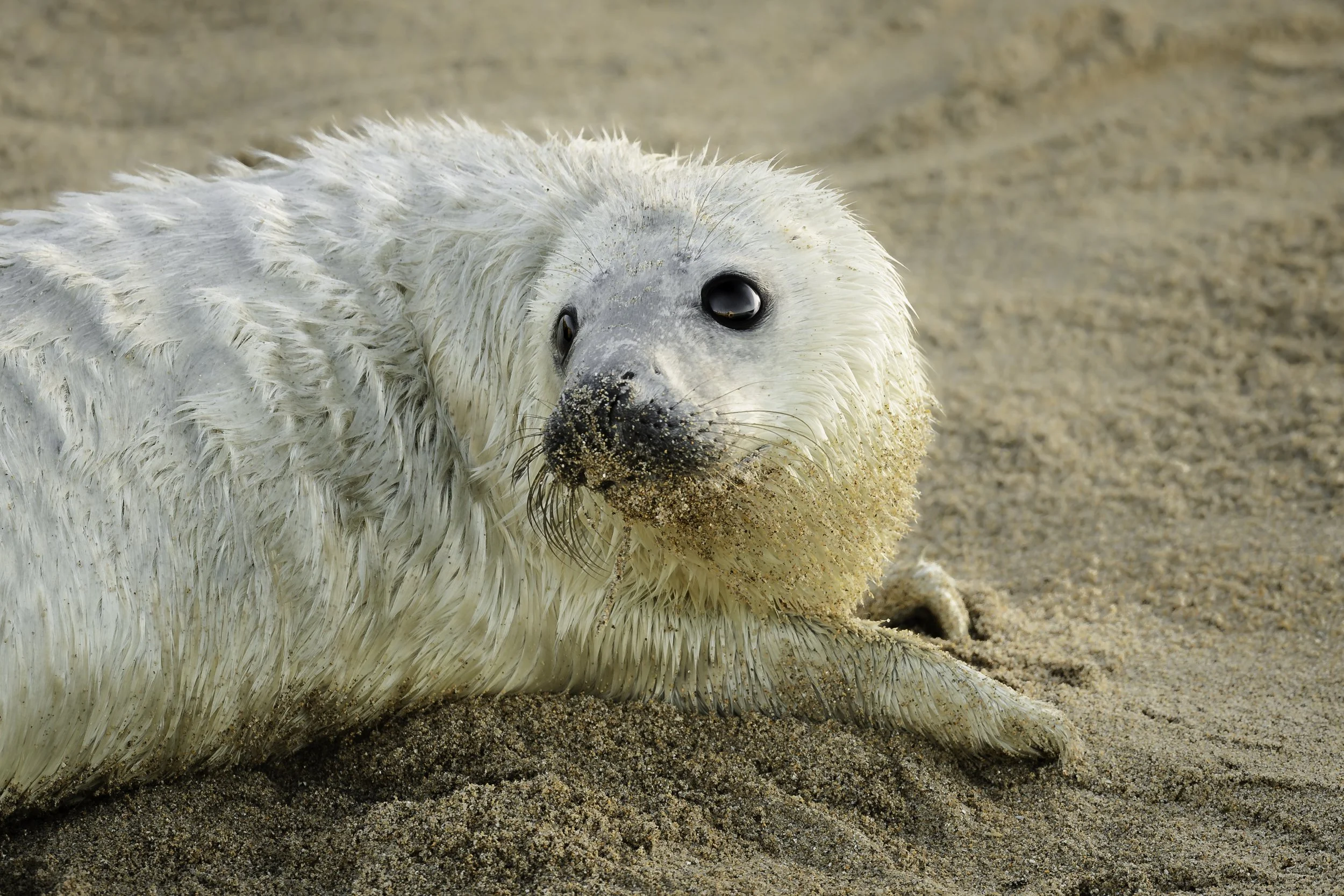
Every autumn, the Farne Islands become one of the busiest seal nurseries in Britain. Hundreds of Atlantic grey seals haul out on the rocks and beaches a few miles off Seahouses to give birth and raise their pups, and it's one of the great wildlife spectacles on the Northumberland 250.
Pupping runs from autumn into winter. The first pups appear in September, numbers build through October, and the season continues into December, with some boat operators still reporting pups into January. For the best chance of seeing them in numbers, aim for late October through November. Mothers feed their pups for only two to three weeks, so the beaches are constantly changing, with newborns, fattening pups and moulting youngsters all on show at once.
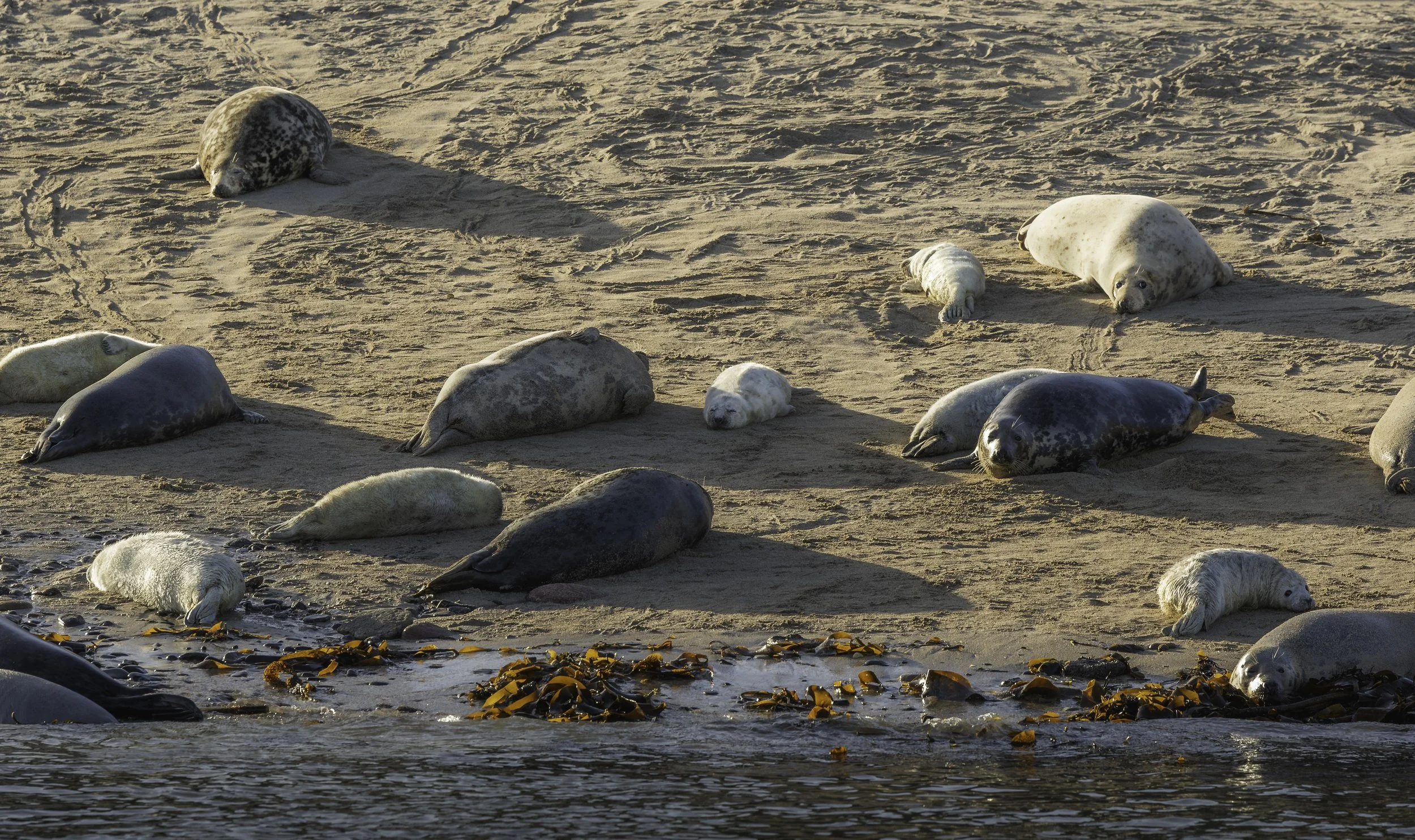
All trips to the Farnes leave from Seahouses harbour, on the Coast section of the route, where several family-run operators sell tickets from kiosks along the quayside. In pupping season you'll be on a cruise around the islands rather than a landing trip, as landings on Inner Farne end in early autumn. That's no loss. The seals are best viewed from the water, and boats can reach sheltered spots such as Staple Sound and edge in close to the beaches where the colony gathers.
Winter sailings are fewer than in summer, so it pays to book ahead and arrive around 30 minutes before departure to check in. Every trip sails weather permitting, and northerly winds or a big swell can stop sailings at short notice, so keep your plans flexible and check on the morning. Seal cruises typically last around an hour and a half, and low tide is the best time to go, when more rock is exposed and more seals are hauled out.
The North Sea in November is cold, even on a bright day. Wrap up in warm layers with a hat, gloves and a waterproof to keep off the spray. Binoculars make a real difference, as does a camera with a decent zoom. Drones are banned over the islands, and if you're prone to seasickness, take something before you board.
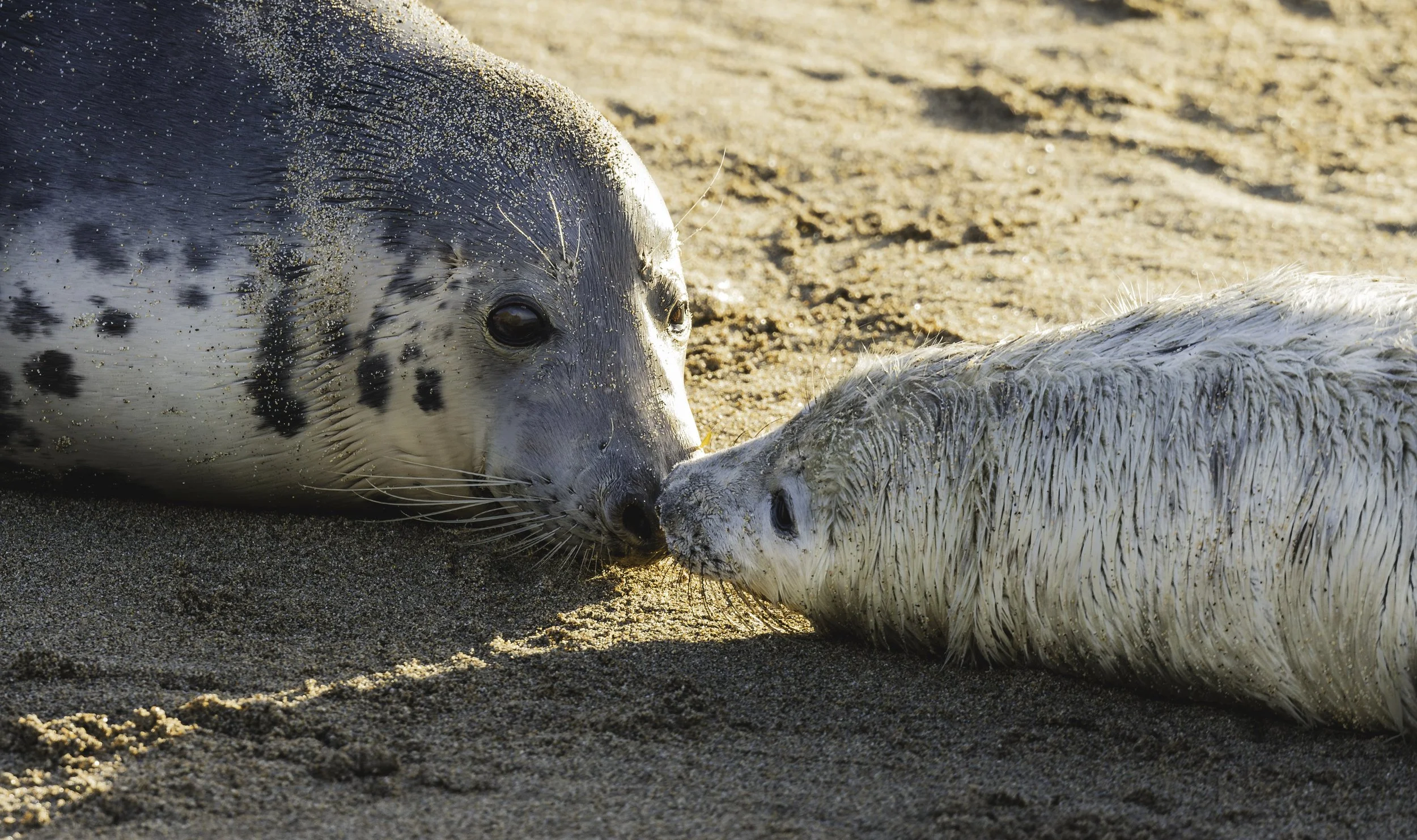
The Farne Islands hold England's largest breeding colony of grey seals, and well over a thousand pups are born here each autumn. They arrive in a white, fluffy coat that isn't waterproof, so newborns stay ashore, feeding on milk that can be up to 60% fat and growing fast. Older pups moult into a mottled adult coat and start testing the water in the shallows. Their mothers carry them for 11 months, give birth to just one, and stay ashore with it throughout, living off their own fat reserves rather than hunting. Once the pup is weaned, the mother leaves it for good.
Pupping season is also mating season. Big, territorial bulls compete to become the dominant beach master, and you may see them charge and fight, heaving their bulk across the shore with surprising speed. Pups caught in the path can be crushed. Most bulls carry heavy scars from these clashes, though the wounds are rarely serious. When the engine cuts out, expect a wall of sound: growls, moans and eerily childlike cries carry across the water, while curious heads surface beside the boat to watch you back.
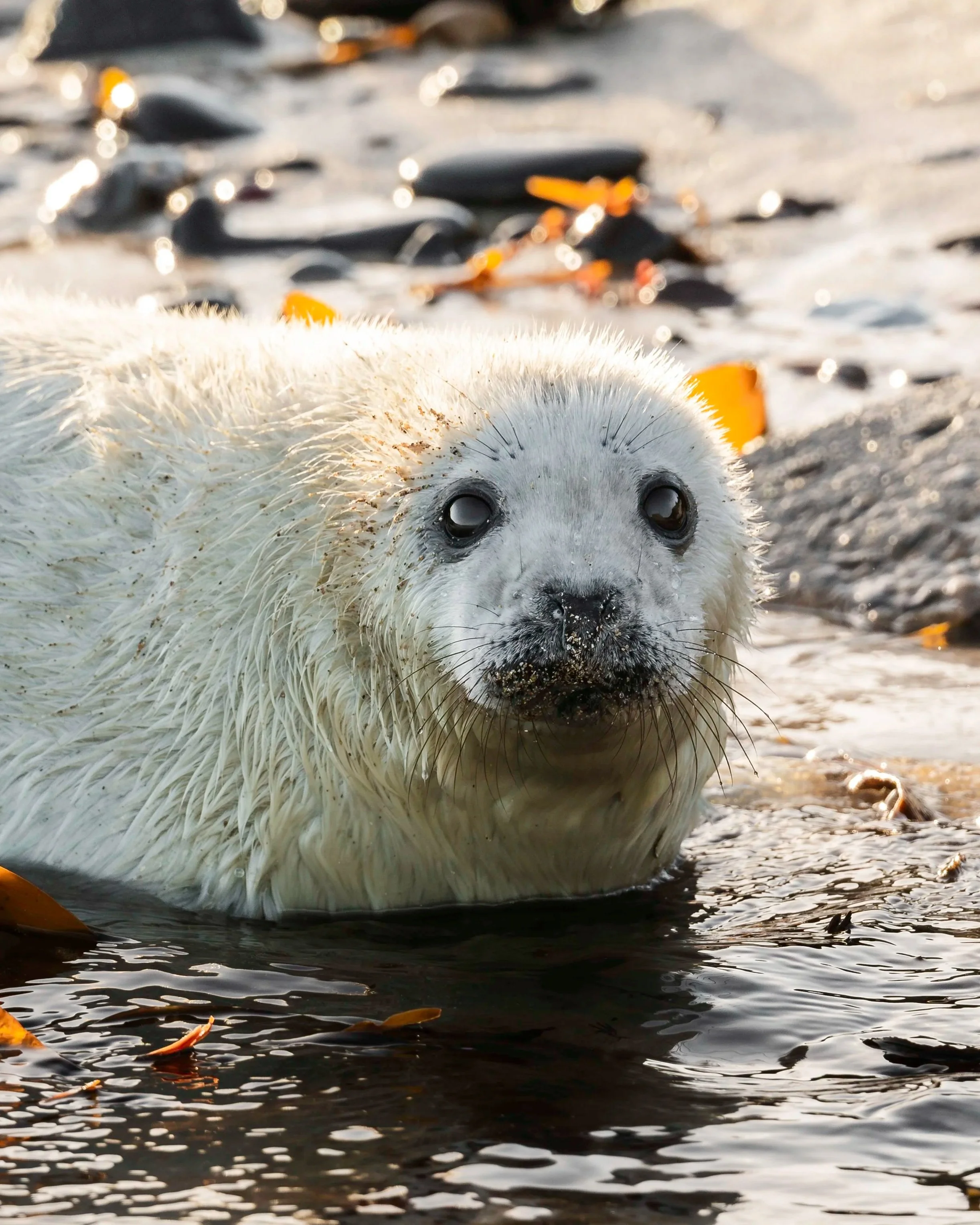
Life is hard for a young seal. Northerly storms can wash pups off the low-lying islands, and once weaned, a pup is left alone to live off its fat for days or weeks before hunger drives it into the sea to learn to hunt, with no help at all. Many don't survive this stage. Those that do spend their first years exploring the kelp beds before returning to breed themselves.
That the colony is here at all is a conservation success. A century ago, hunting had cut British grey seal numbers to around 500. Today more than 120,000 live in UK waters, and the Farnes are a National Nature Reserve managed by the National Trust.
If you come across a lone pup on a mainland beach, it is usually not abandoned. Keep your distance, keep dogs on leads and don't touch it, as disturbance can stop the mother returning. If a pup looks injured or in trouble, contact British Divers Marine Life Rescue.