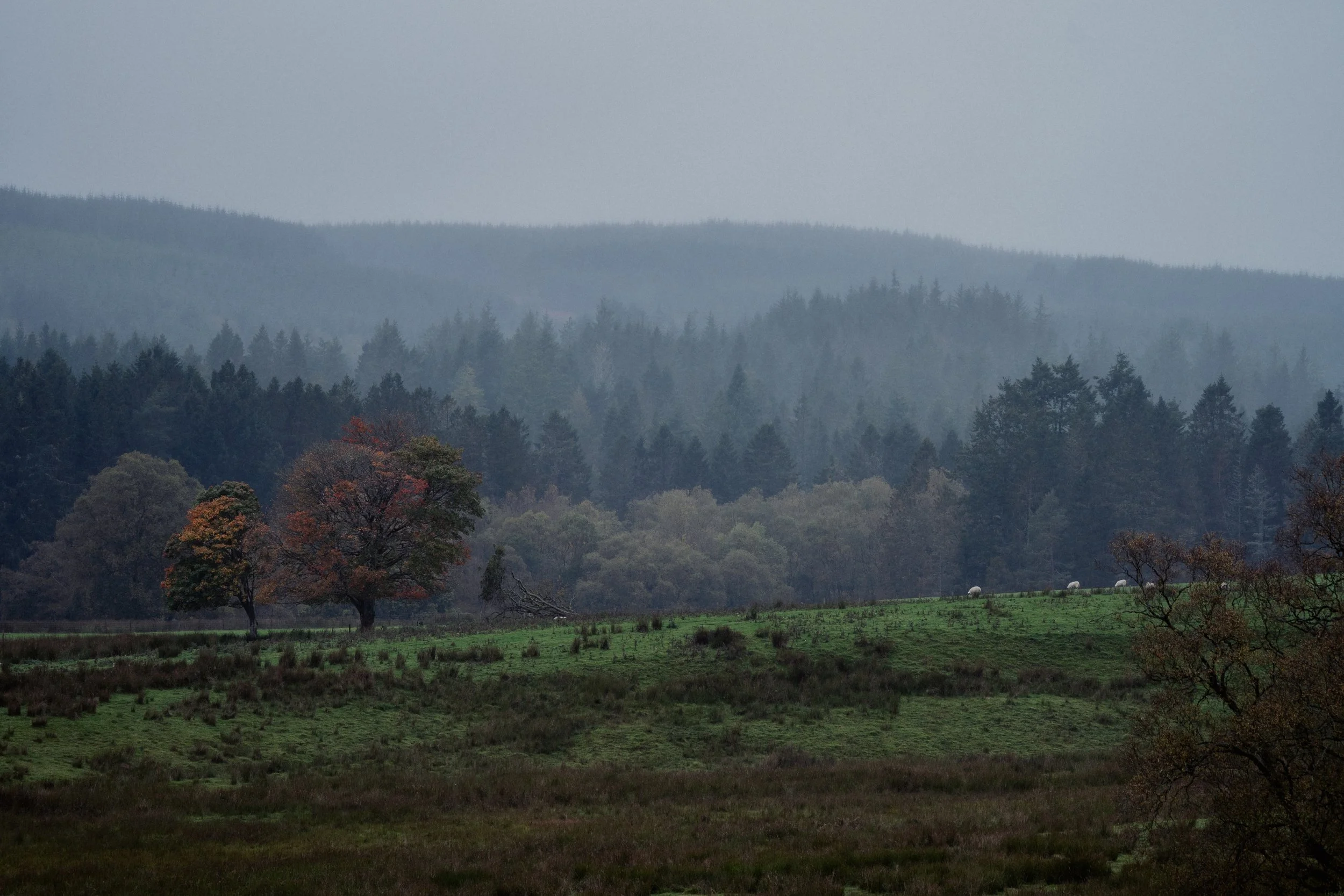
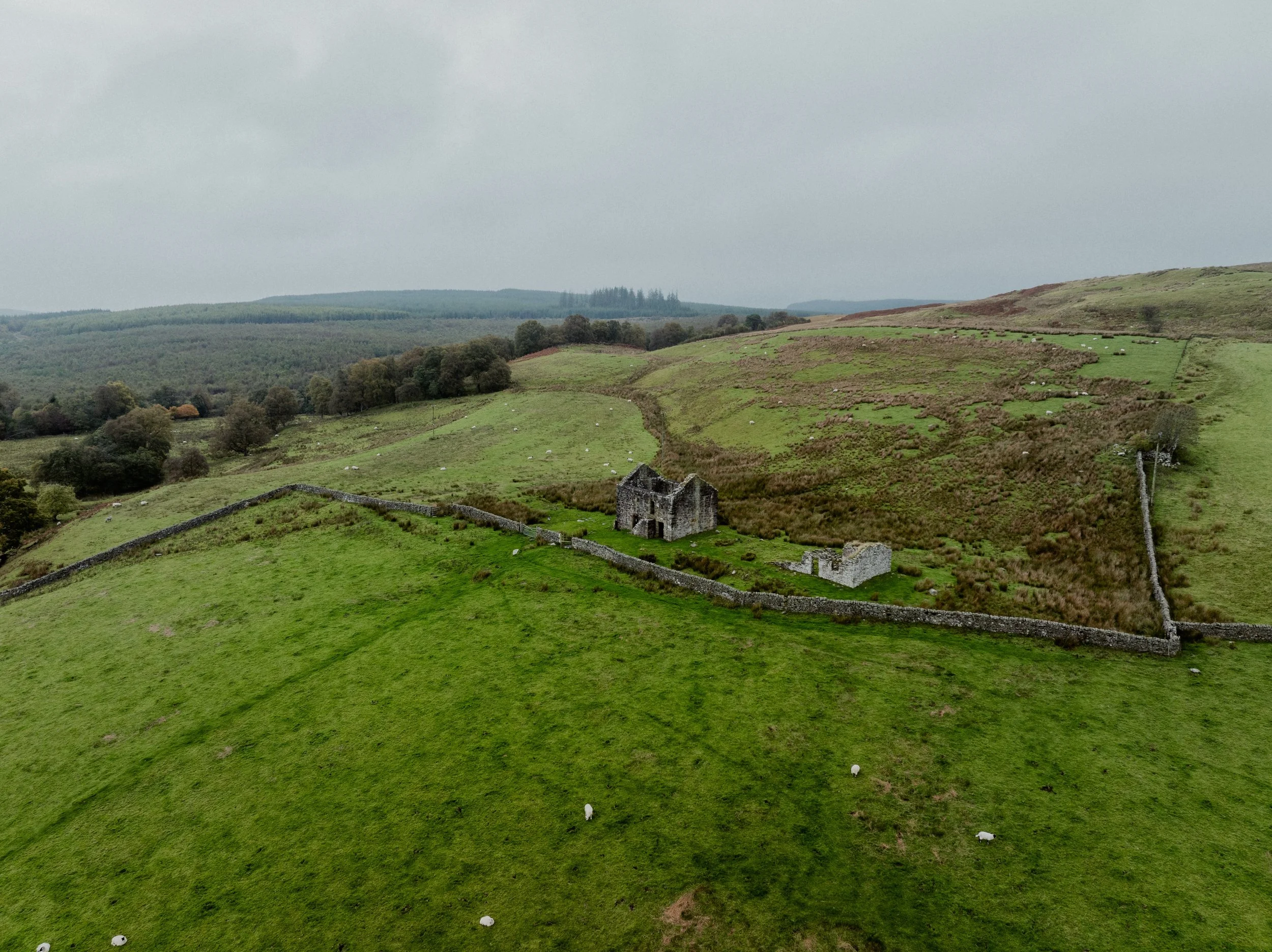
High in the Tarset valley, about half an hour north of Hadrian's Wall, a squat stone building stands on a rise above the Tarset Burn. Black Middens Bastle House is one of the best-preserved examples of a bastle in Northumberland, and few places tell the story of the Border Reivers so plainly.
Bastles were fortified farmhouses, built for a lawless age. Through the 16th century, the Anglo-Scottish borders were plagued by raiding, feuding and cattle theft, and families living in remote valleys like this one had to protect themselves. The bastle was their answer: a building where people and livestock could sit out an attack behind walls too thick to break.
At Black Middens, those walls are an impressive 1.4 metres thick, built from large, roughly squared stone blocks packed with smaller stones and set irregularly in clay or mortar. The design is simple and practical. Livestock were sheltered in the byre on the ground floor, while the family lived above. The only way into the living quarters was by the external stone stairway, which still survives, leading to a first-floor door that could be barred shut. The slot for its heavy drawbar is still visible, as are the small window openings, kept narrow to make the house harder to break into.
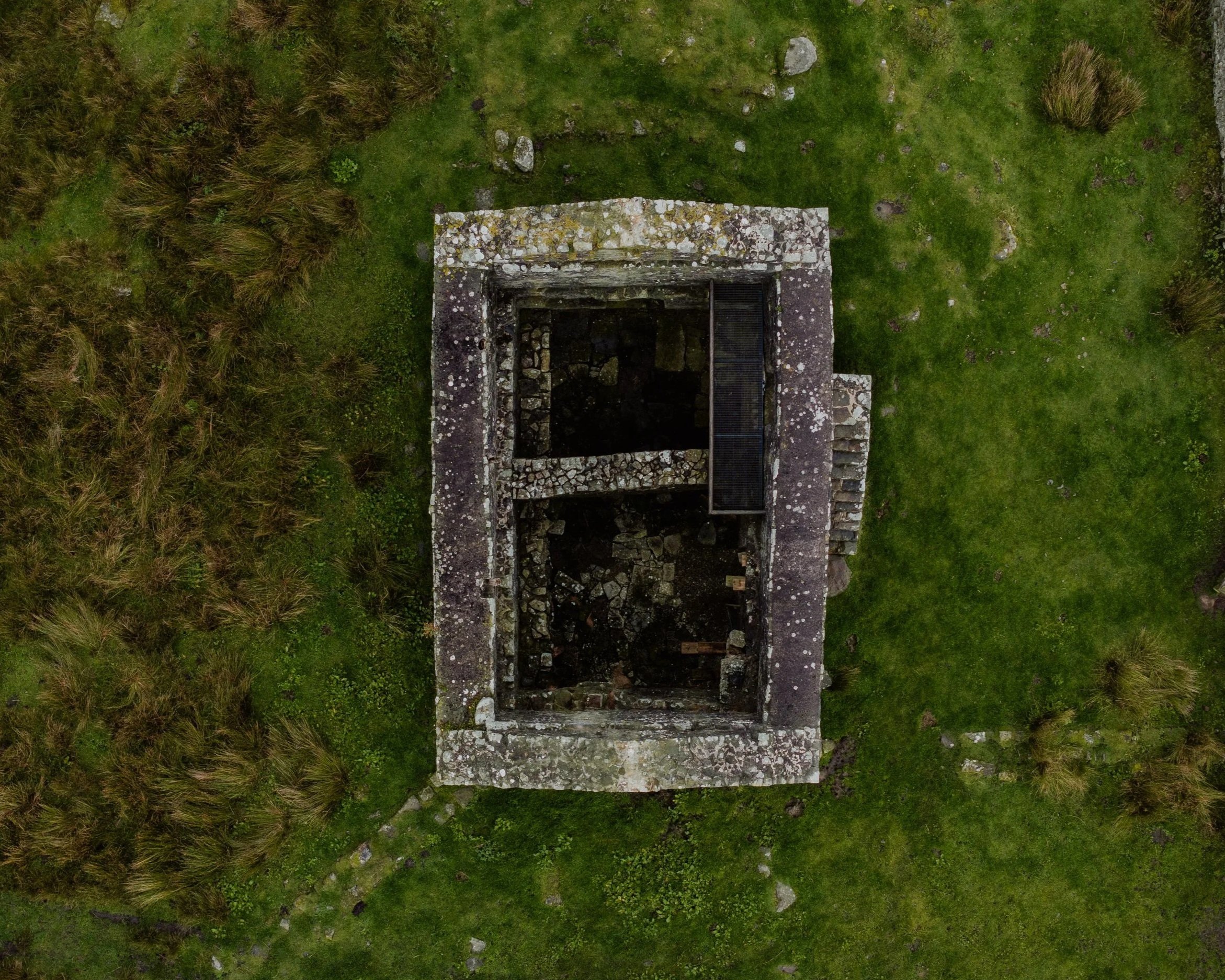
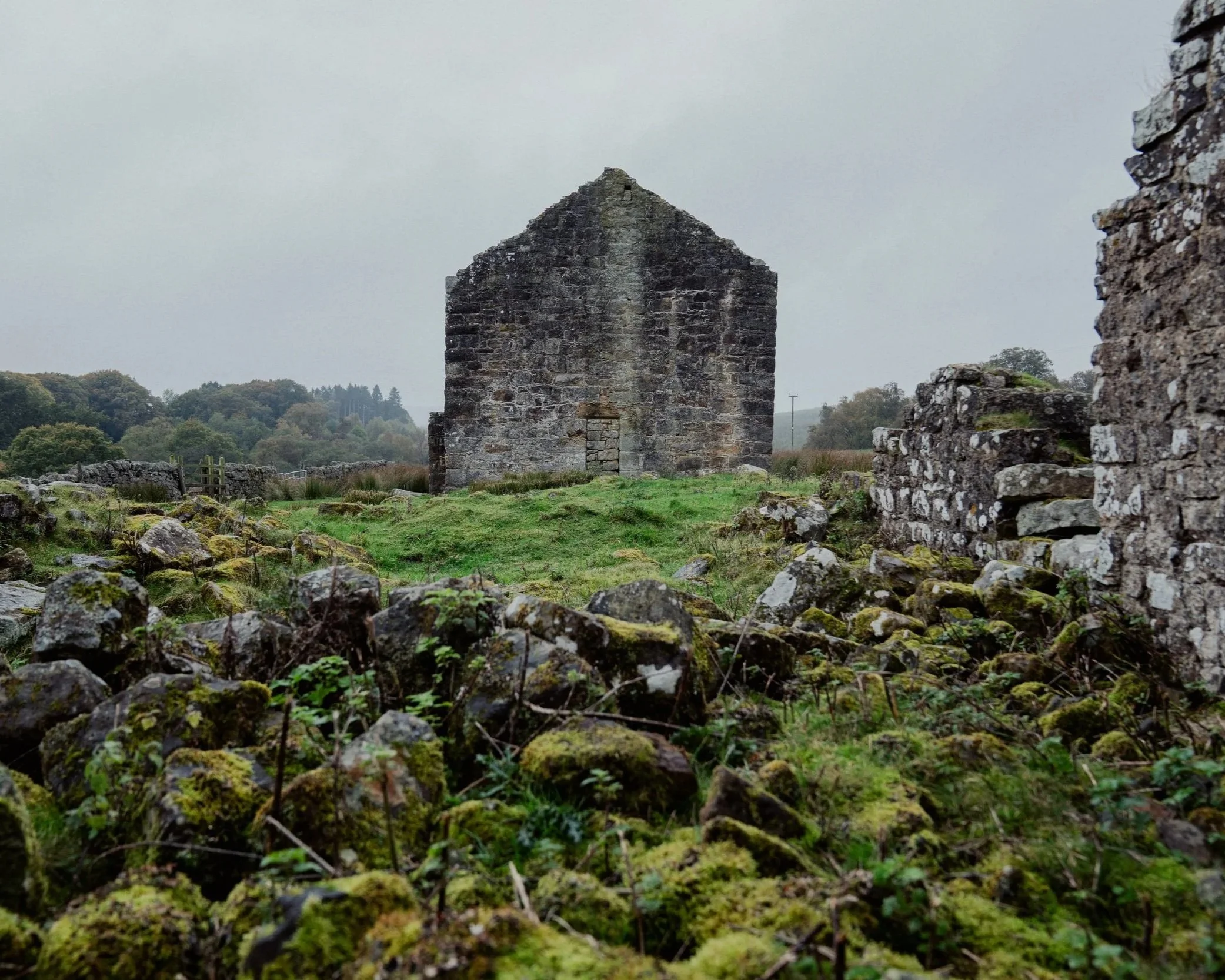
The building is now roofless, but the lower ends of the original timber roof trusses remain in the walls. A viewing platform inside gives a clear sense of the bastle's scale and how it was put together, and it is easy to picture a family crowded into the upper room with their animals below, listening for riders in the night.
Black Middens doesn't stand alone. It forms part of a small cluster of historic buildings that includes traces of a second bastle and the ruins of an 18th-century farmhouse with its enclosures. Bastles were often built close together for mutual security, and several more can be found nearby on the Tarset Bastle Trail, making this a rewarding area to explore on foot. The site is cared for by English Heritage and is free to visit at any reasonable time during daylight hours. Follow the brown signs to a small car park on a minor road, from where it is a short walk of around 180 metres across uneven grassland. Livestock graze the surrounding land, so keep dogs on leads, wear sensible footwear and don't climb on the walls.
It's a quiet, remote spot, and that's much of its appeal. Combine it with a drive through the North Tyne valley and Kielder, or a walk along the Tarset Bastle Trail, for a day spent deep in reiver country.