
Northumberland's Wild Five: Native Species to Spot on the Nland 250
Northumberland is one of England's wildest places. If you're driving the Northumberland 250, these are the five native species that deserve a place on your radar, and a tick in your notebook.
Few counties in England can match Northumberland for wildlife. The coastline alone is internationally important, supporting vast seabird colonies and one of the UK's largest grey seal populations. Inland, ancient forests, upland moorland and clean river systems provide refuge for species that have all but disappeared from the rest of the country. This is a place where nature has held its ground.
1. Grey Seal
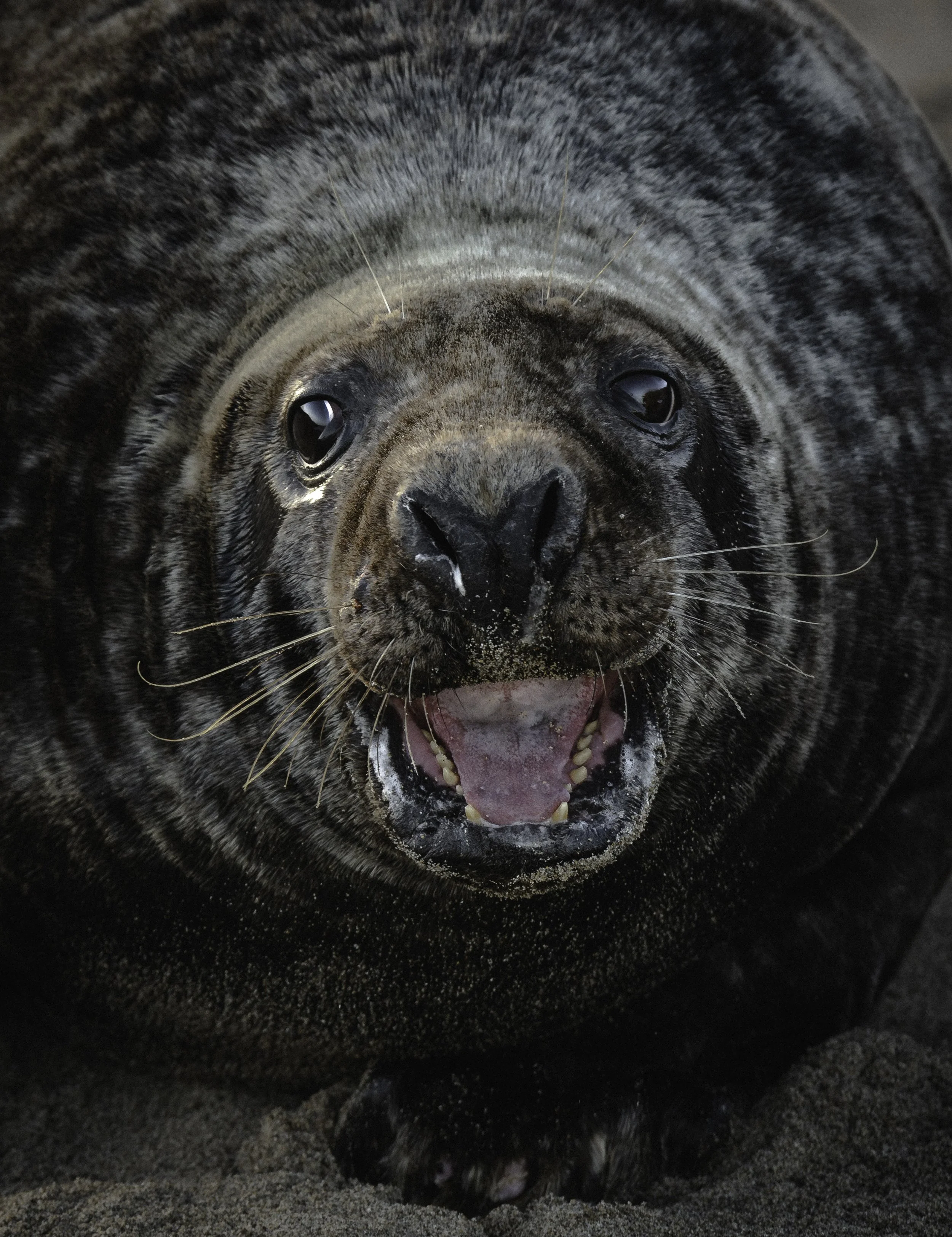
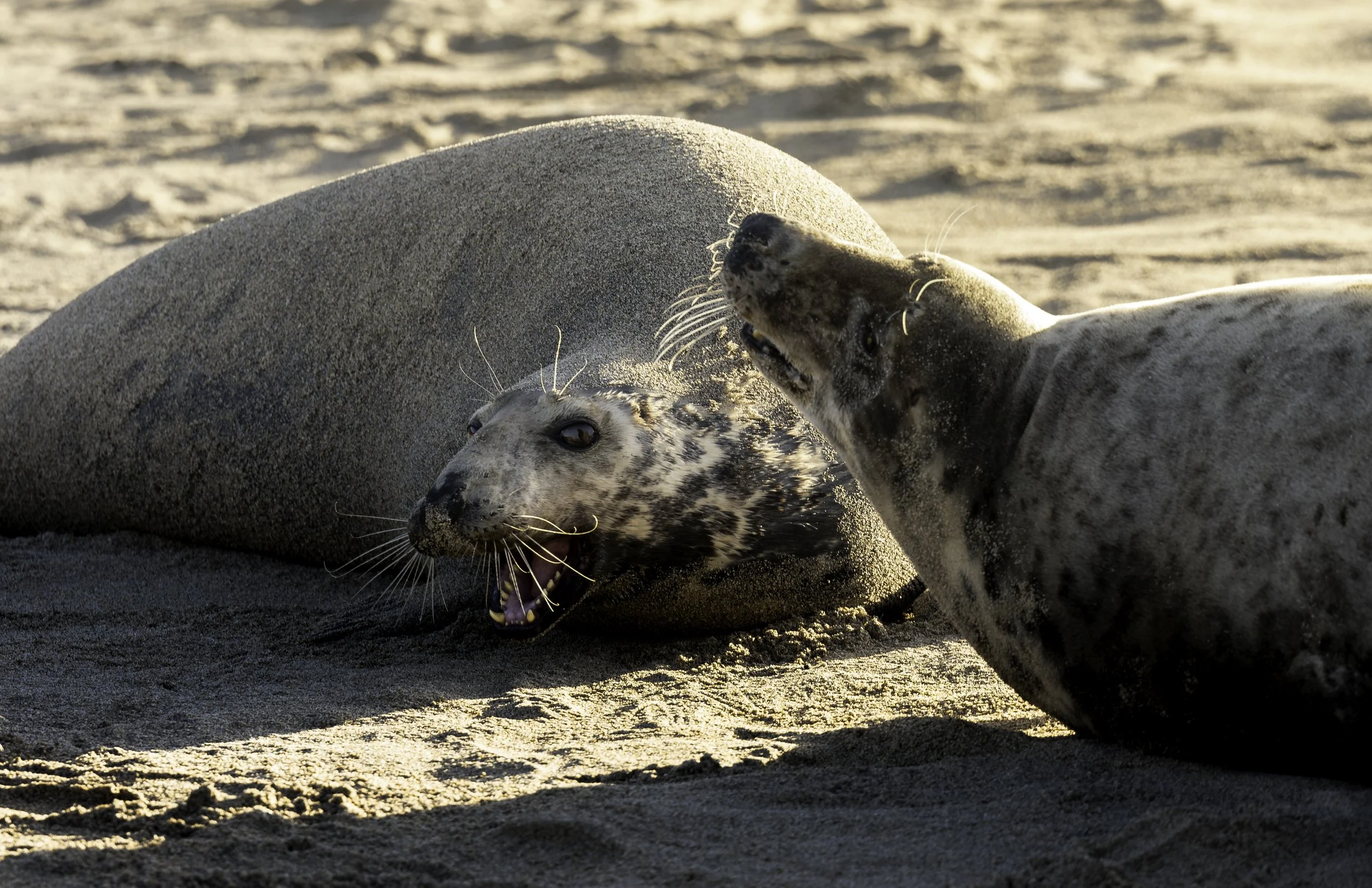
You'll likely hear them before you see them. That deep, mournful bark carrying across the water is the grey seal, Britain's largest breeding marine mammal, and Northumberland's coastline is home to one of its most important colonies. The Farne Islands hold one of the largest grey seal populations in the UK, with thousands hauling out on rocks and beaches throughout the year.
Grey seals have a particular magic to them. Enormous on land and almost absurdly graceful underwater, they have a habit of appearing without warning, surfacing just offshore to watch you with those vast, dark eyes before slipping silently back beneath the surface. The colony at the Farnes reaches peak drama during the autumn pupping season, when the beaches fill with pale, wide-eyed pups taking their first uncertain steps toward the sea.
Best spots: Farne Islands National Nature Reserve, Ross Sands
Best time: Year-round, but November is extraordinary for the pupping season.
2. Puffin
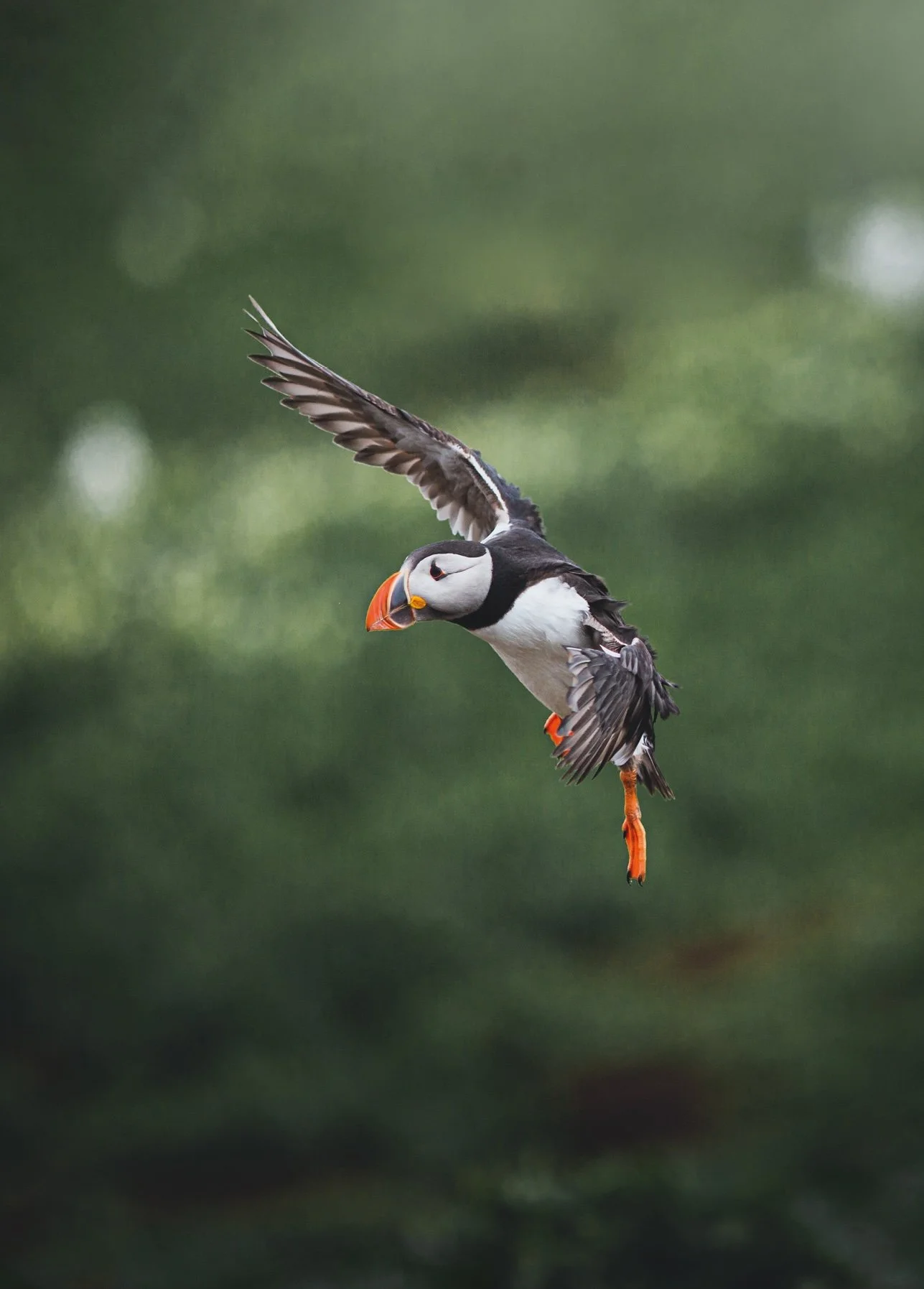
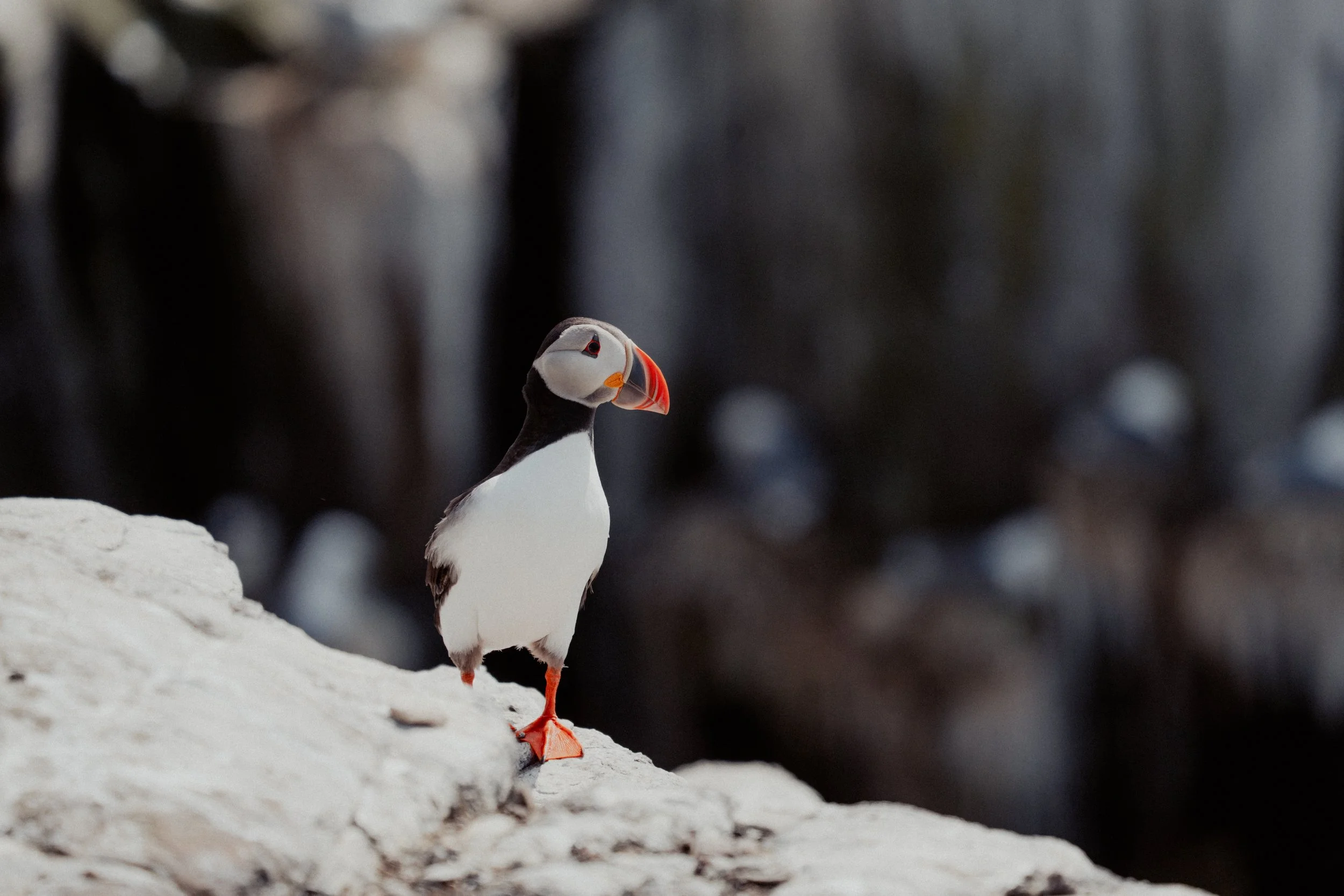
Few wildlife encounters in Britain compare to standing on the clifftops of the Farne Islands with puffins wheeling past your ears. These extraordinary little birds, with their painted carnival beaks and penguin-smart plumage, arrive each spring to breed in their thousands on the rocky ledges and grassy burrows of the islands, just a short boat ride from Seahouses harbour. Puffins are one of those species that can seem almost impossibly improbable in the wild. Up close, they are compact, comical, and utterly fearless of people. During breeding season you can sit just feet away as they shuffle in and out of burrows, bills packed with sand eels, navigating the wind with that slightly chaotic, frantically-beating wing action that never quite looks like it should work.
The Farne Islands are managed by the National Trust and boat trips run daily from Seahouses throughout the season. Book ahead, this is one of the finest wildlife experiences in England.
Best spots: Farne Islands National Nature Reserve
Best time: May to early August, with peak activity in June and July.
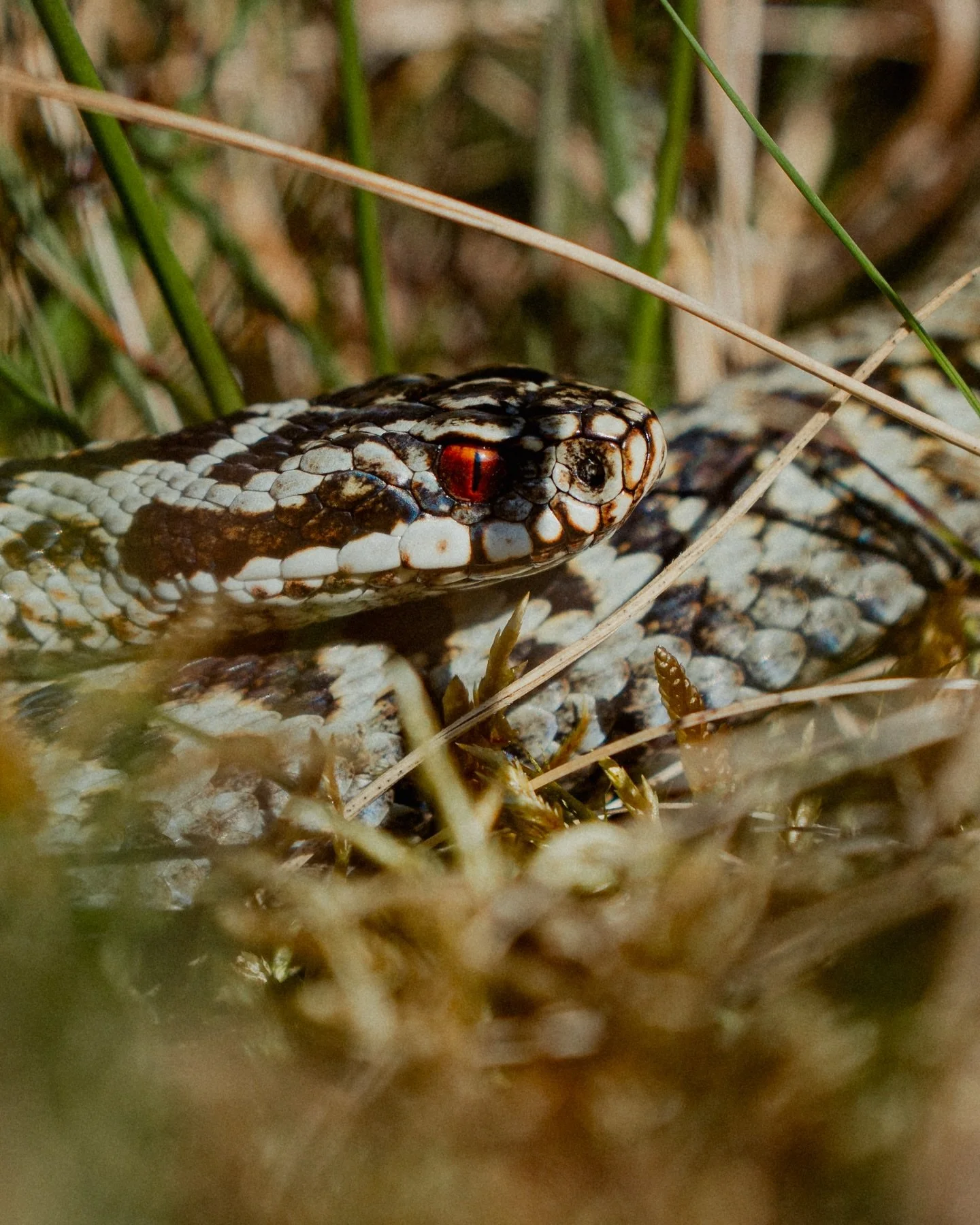
3. Adder
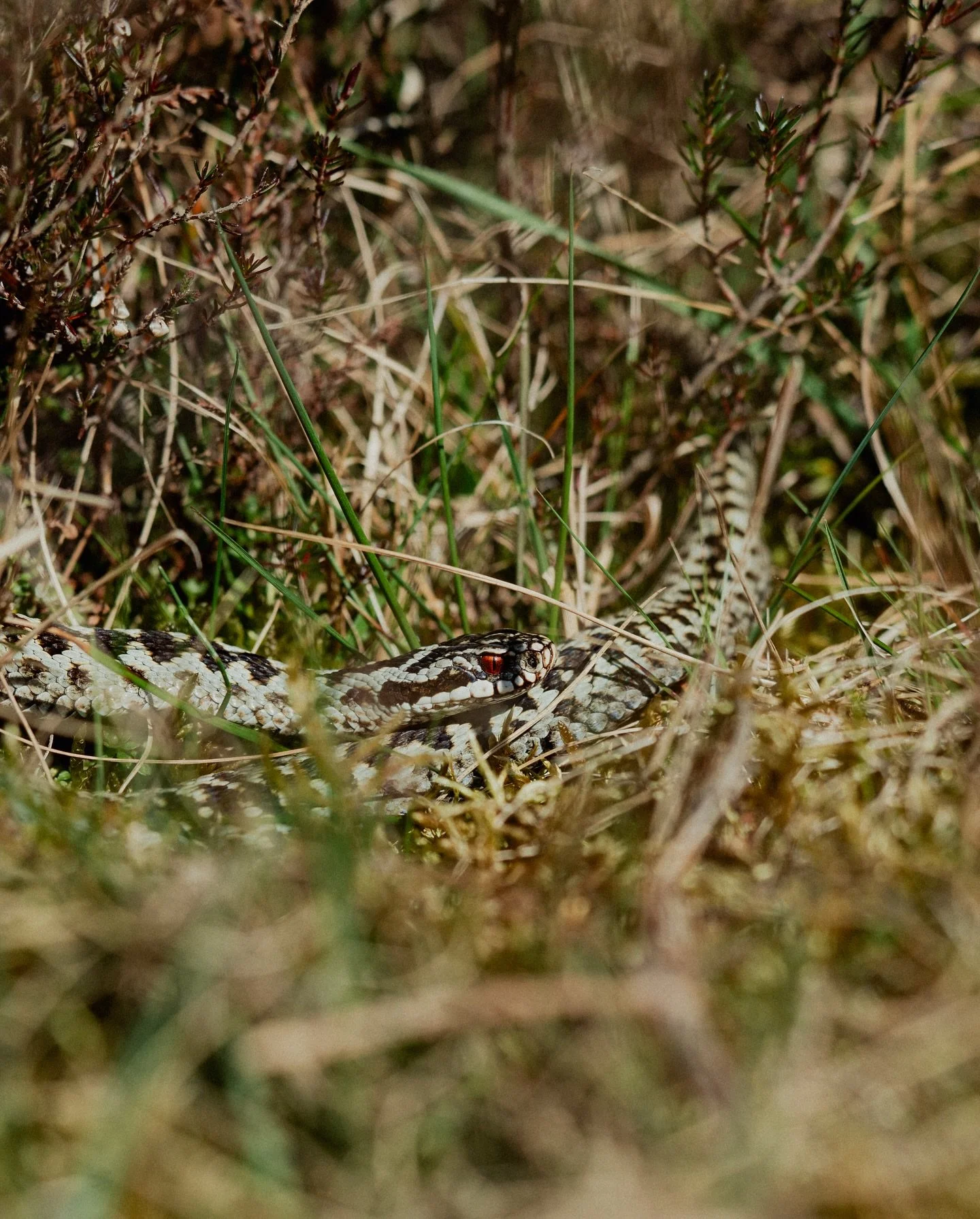
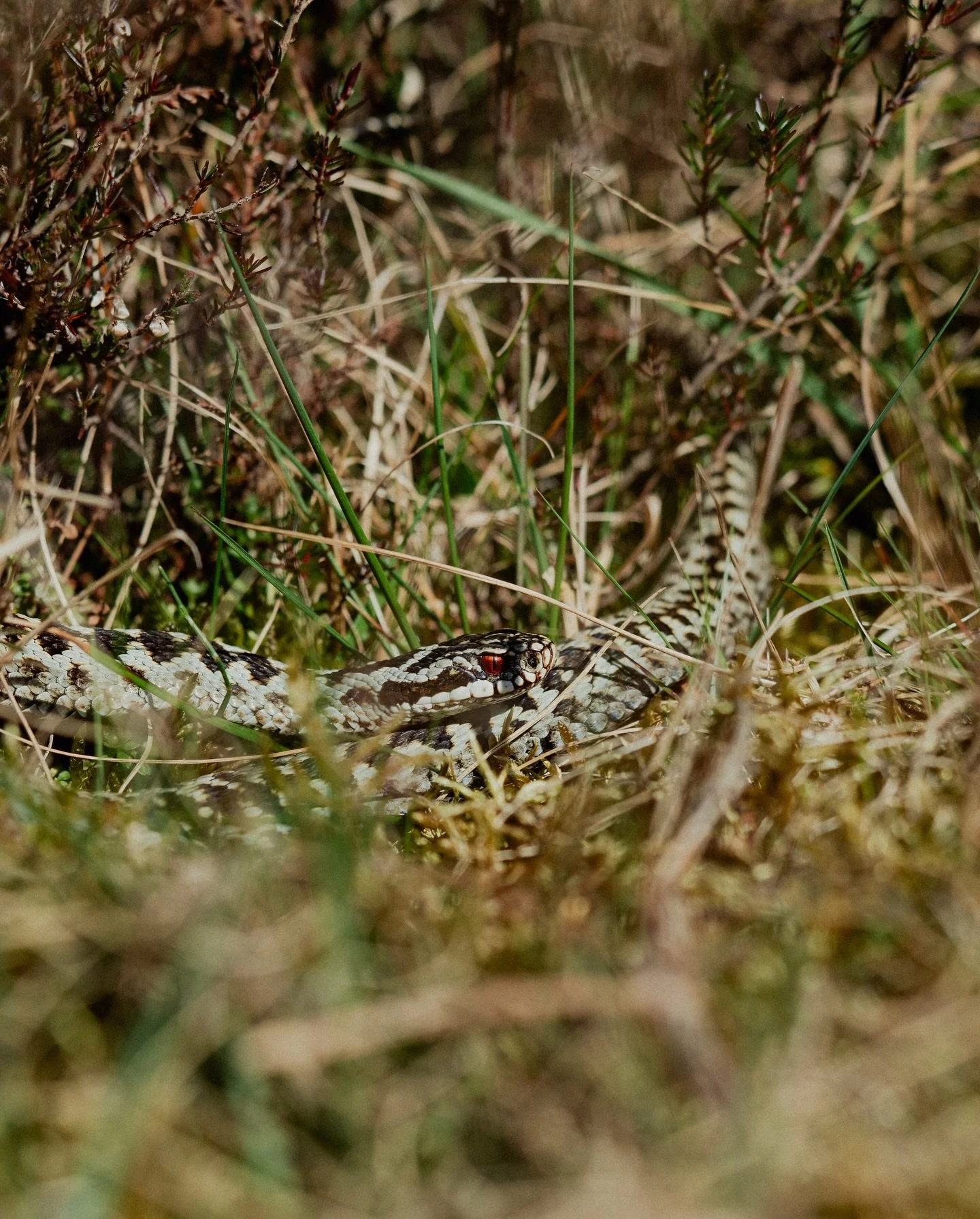
Britain's only venomous snake is also one of its most beautiful, and Northumberland's open moorlands and coastal grasslands offer some of the finest adder habitat in northern England. The sight of an adder basking in early spring sunshine, its zigzag pattern picked out in perfect detail against the dead heather, is one of the county's most atmospheric wildlife moments.
Adders are shy, secretive creatures that will disappear long before you get close if given the chance. The trick is patience and quiet movement. Walk slowly along moorland paths in the first warm days of March or April and you may find them gathered in small groups, warming up after months underground. They are not aggressive and will almost always retreat if approached. The key is to give them space and simply observe.
Best spots: Simonside Hills, Holystone Burn, heathland around Coquetdale and the Cheviots
Best time: March to May for basking sightings, though they can be found on warm days through to October.
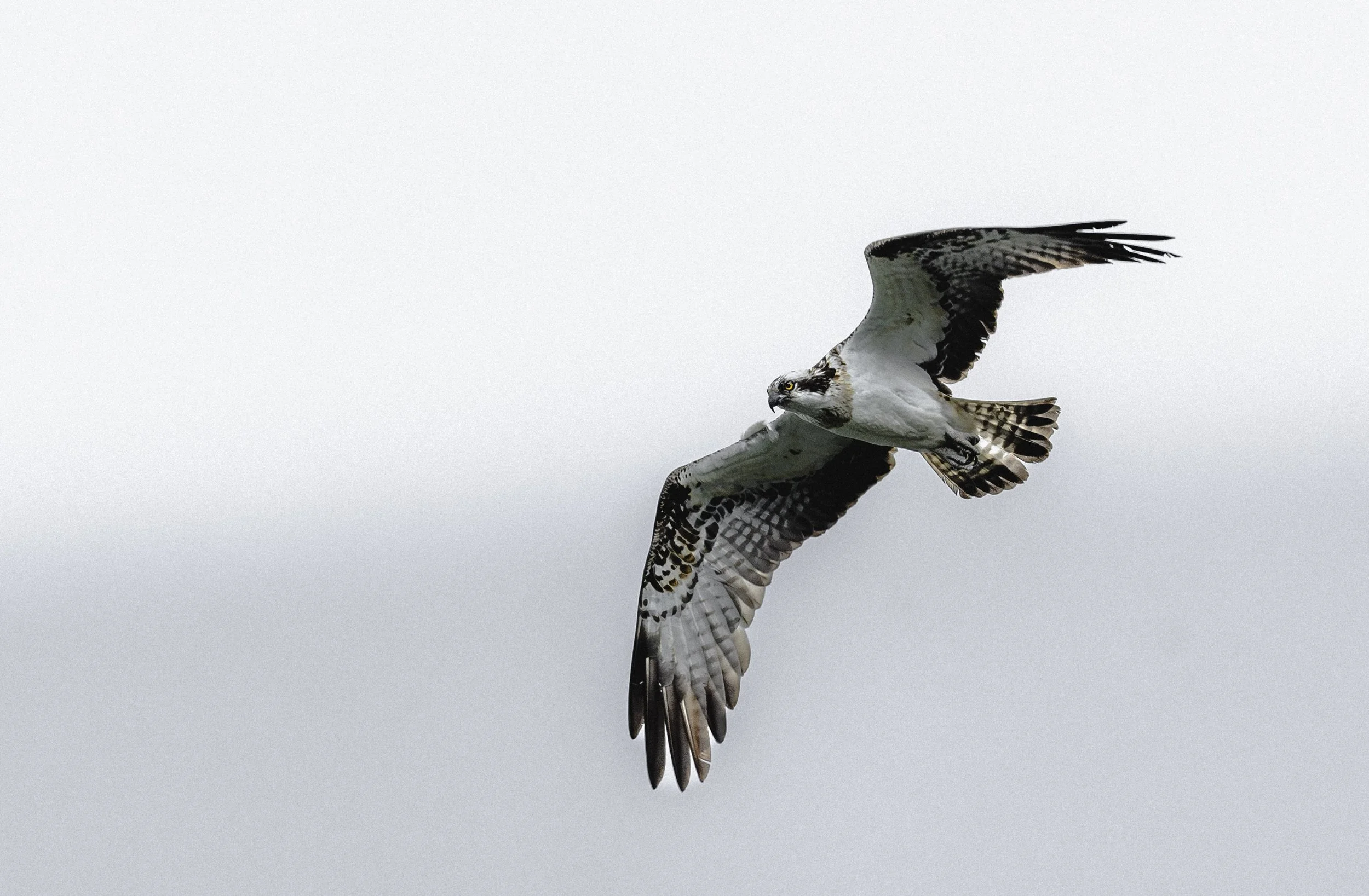
4. Osprey
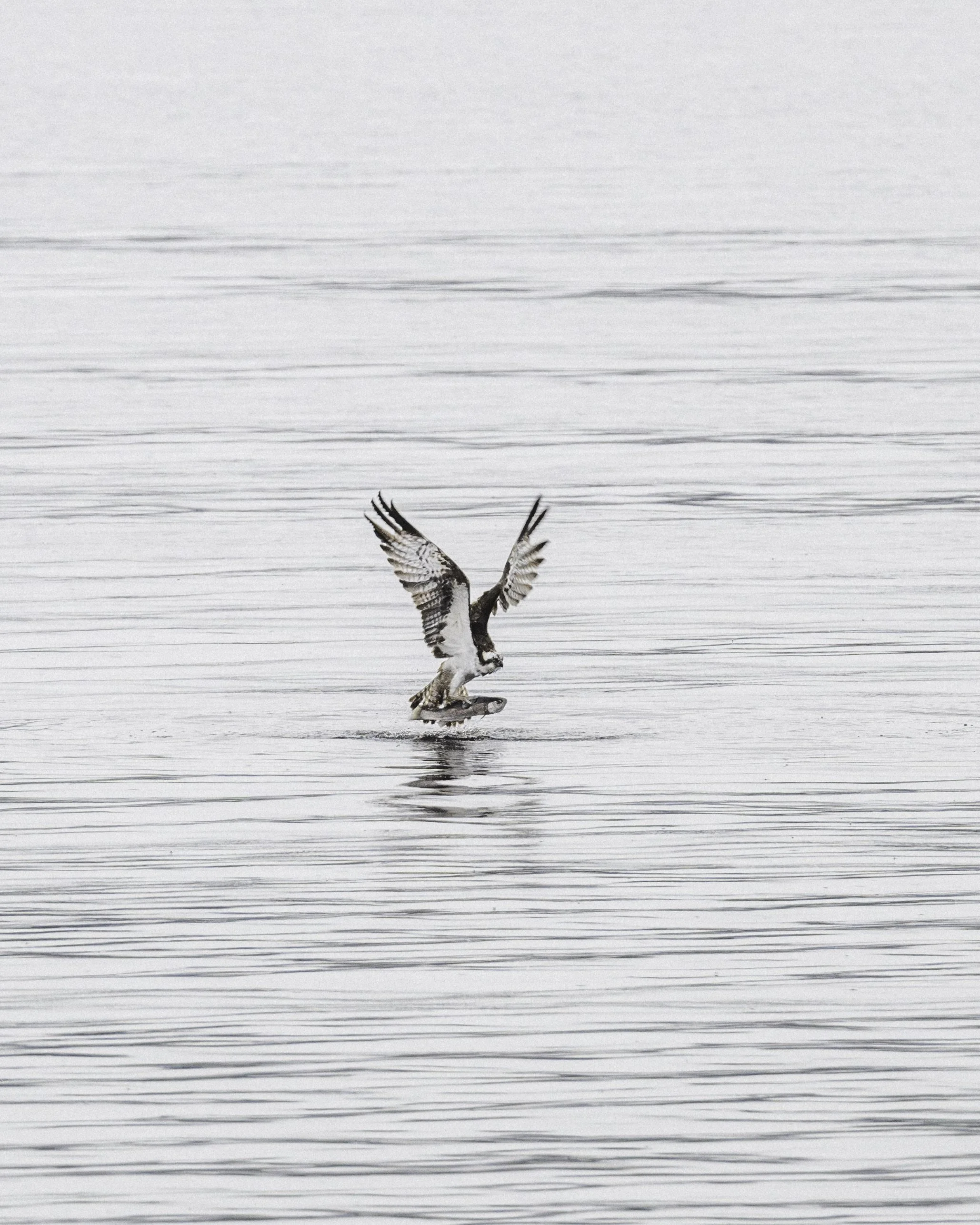
A generation ago, seeing an osprey in Northumberland would have been headline news. Now, thanks to one of British conservation's quiet success stories, these magnificent fish-hawks are becoming an increasingly familiar sight over the county's rivers and reservoirs. Kielder Water, the vast man-made lake at the heart of Kielder Forest, hosts many breeding pairs, and sightings along the River Tyne and its tributaries are becoming more frequent year by year.
With a wingspan of up to five feet and a hunting technique that involves a full, feet-first plunge into open water, it is both powerful and precise. Watch from the dedicated viewpoints at Kielder Water and you may witness the full spectacle of a hunt.
Best spots: Kielder Water & Forest Park
Best time: April to September, with June and July best for watching hunts.
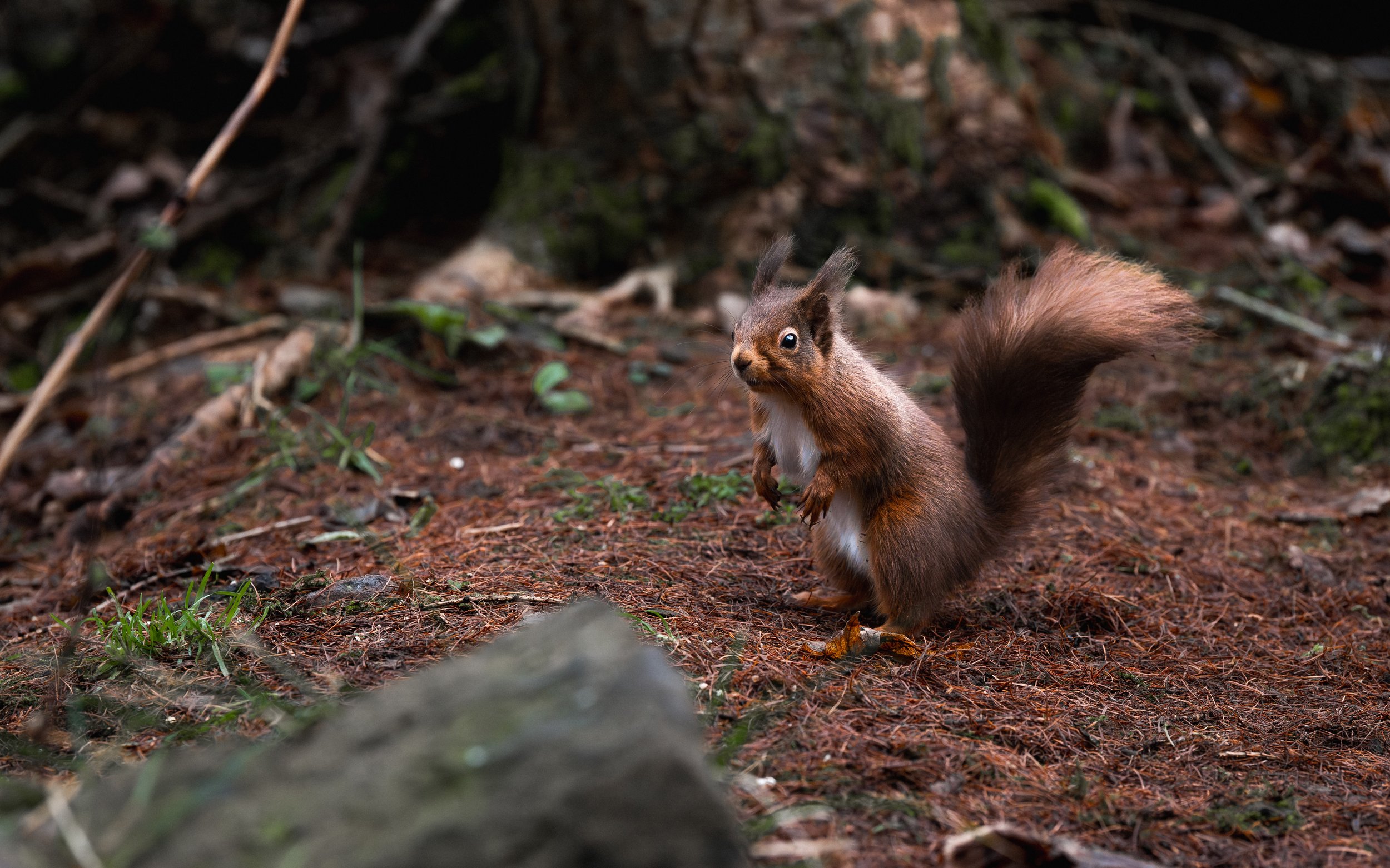
5. Red Squirrel
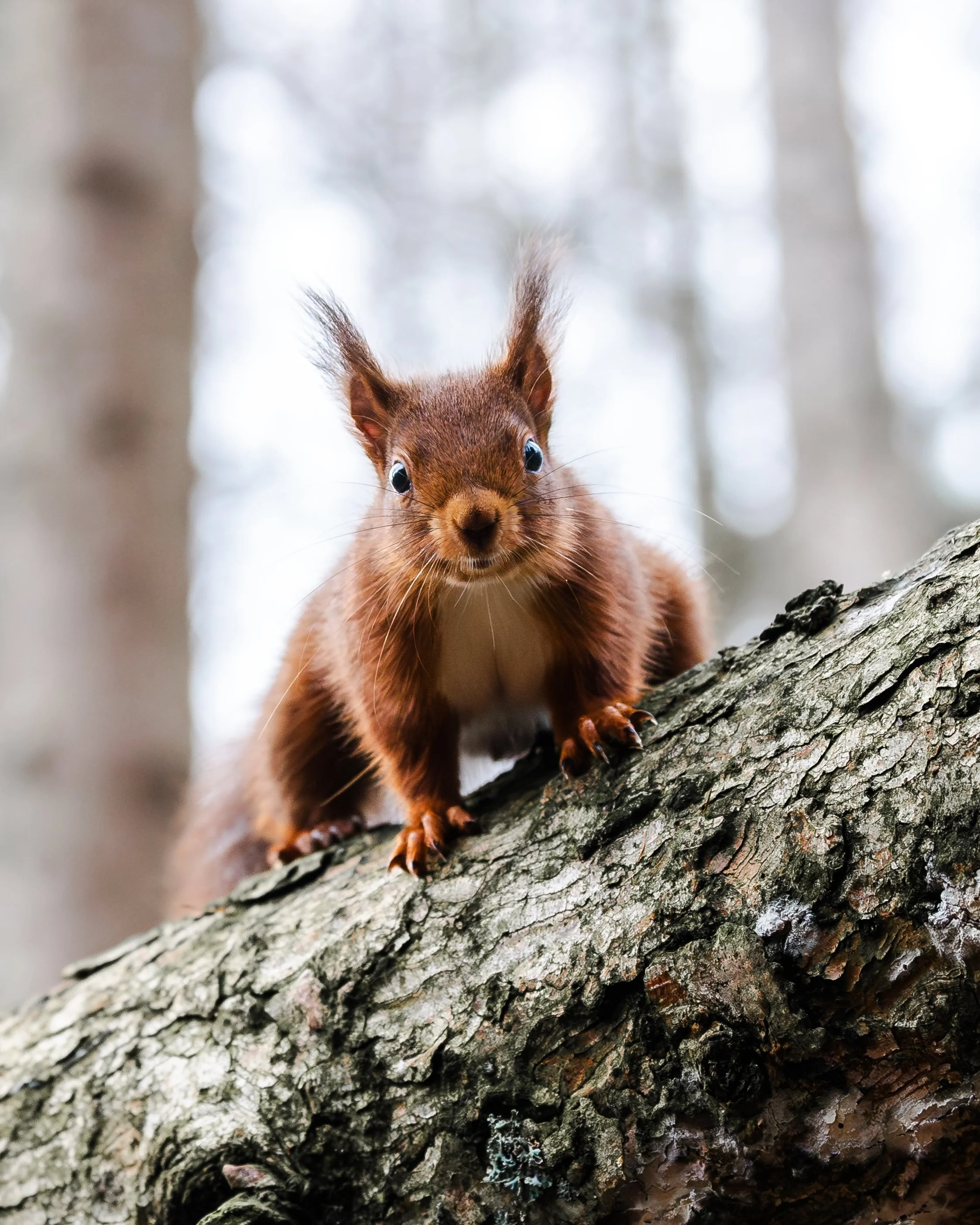
Northumberland is a final stronghold for England’s red squirrels. While much of the country lost its native red squirrels to disease and competition decades ago, here they still dart through the conifer canopy of Kielder Forest and the wooded estates of the county's interior with all the energy and character that made them beloved in the first place. Small, rust-furred, and impossibly photogenic, the red squirrel is one of those encounters that stops you in your tracks. Spot one early in the morning, working its way along a branch with a pine cone clamped in its jaws, and you'll understand immediately why so much effort goes into protecting them. Look out for the distinctive ear tufts and those oversized, bright eyes.
Best spots: Holystone, Kielder, Simonside, Hareshaw Linn
Best time: Year-round, though early morning visits in autumn yield the best sightings as they're busy caching food for winter.
Northumberland’s Wild Five Awaits
More than just a scenic backdrop for a road trip, Northumberland is a living landscape and one of the most ecologically significant in England. Here conservation efforts are slowly turning the tide for species that once came perilously close to the edge.