
Northumberland is one of the least visited counties in England. Its beaches are empty, its moorland undisturbed, its rivers clean. The wildlife that has disappeared from most of the country is still here in numbers. That's not a coincidence. It's what happens when a landscape isn't put under too much pressure. The Northumberland 250 passes through national park, protected coastline, ancient woodland and designated dark sky reserve. Travelling it responsibly isn't complicated, but it does require a little thought.
Take nothing, leave nothing
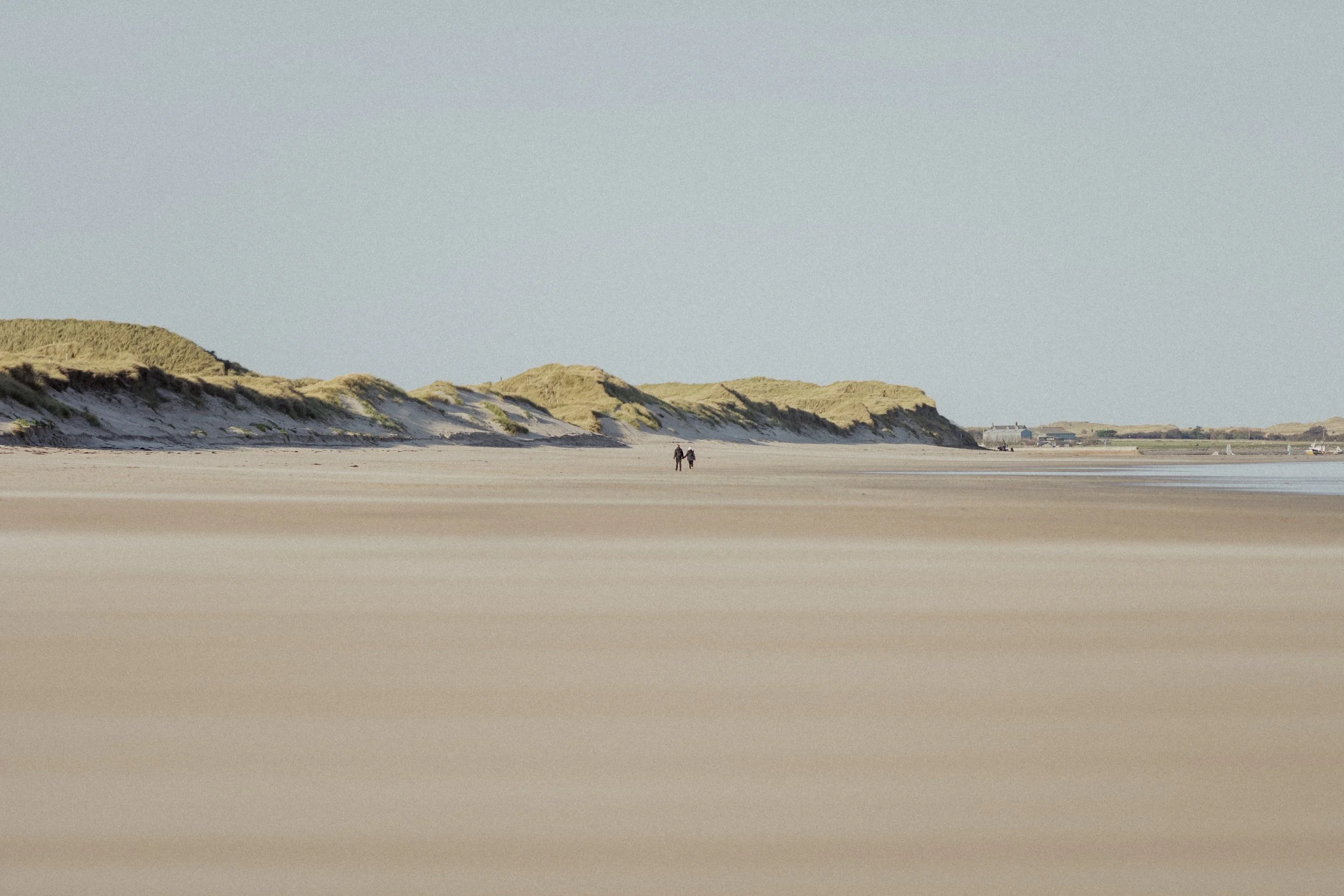
Whatever you bring onto the moors, the beaches and into the forest, bring it back out. There are no litter teams working the uplands. What gets left behind stays. This applies to food packaging, cigarette ends, dog waste bags and anything else you might be tempted to leave "just this once." On the coast, rock pools and foreshores are protected: don't remove shells, fossils, sea glass or anything else you find.
No open fires
Open fires are not permitted on moorland, in woodland or on the majority of beaches along the route. The risk to dry upland vegetation is severe, and the ecological damage from a moorland fire can take decades to recover from. Use designated fire pits at campsites. If a campsite doesn't have one, cook on a stove.
Dogs under control
Northumberland's wildlife depends on not being disturbed. Between March and August, ground-nesting birds including curlew, lapwing and hen harrier are at their most vulnerable. A dog running loose across moorland during nesting season can destroy a breeding attempt in minutes. Keep dogs on leads in open country, on the coast and anywhere signage requests it. This applies year-round near livestock.
Stay on marked paths
The thin soils of the Cheviots and the Simonside Hills are easily damaged by repeated foot traffic off-path. On the coast, the marram grass holding the dune systems together is fragile: walking through dunes rather than on the paths across them causes erosion that is difficult to reverse. Paths exist to concentrate impact on ground that can take it. Use them.
Respect the dark
The Northumberland International Dark Sky Park is a designated protected area. If you're camping or staying overnight in the dark sky zone, keep artificial light to a minimum. Use red-light torches rather than white. Keep vehicle lights dipped where possible. The designation only holds if the darkness is maintained.
Spend locally
The farms, village shops, small hotels and independent cafes along the Northumberland 250 are what keep these communities viable. Buying locally, eating locally and staying locally puts money directly into the places you've come to visit and supports the people who maintain the landscape you're driving through.
The route asks very little of the people who travel it. In return it gives a great deal. Let’s keep it that way.