
No county in England can match Northumberland for castles. With over 70 castle sites scattered across its coastline, moorland, and market towns, this is a landscape that has been fought over, defended, and shaped by power for more than a thousand years. The Northumberland 250 takes you on a sweeping loop through this extraordinary county — and along the way, five castles stand head and shoulders above all others. Each one is unique. Each one carries its own extraordinary story. Together, they make a compelling case for Northumberland being one of the greatest castle destinations in the world.
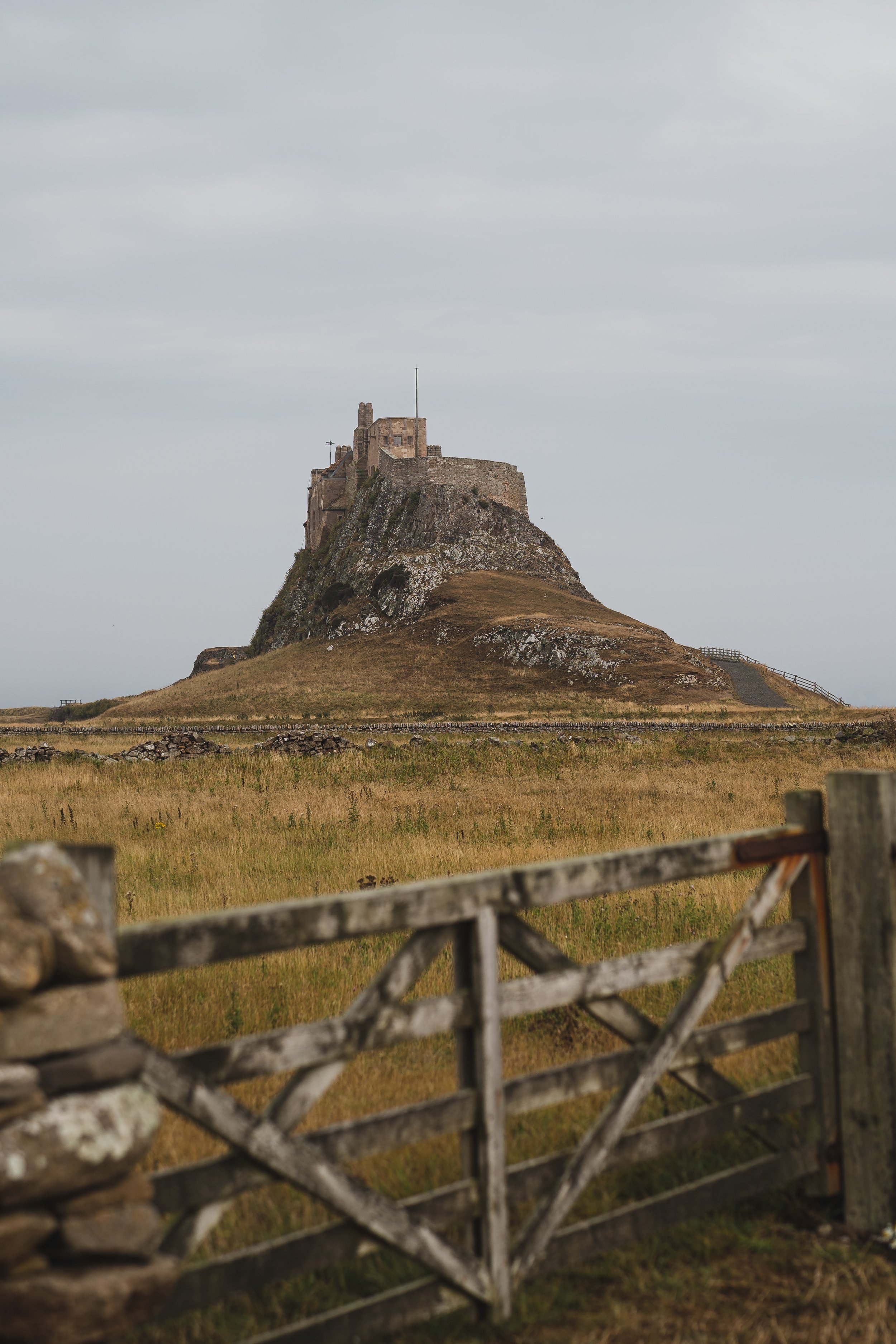
Lindisfarne Castle
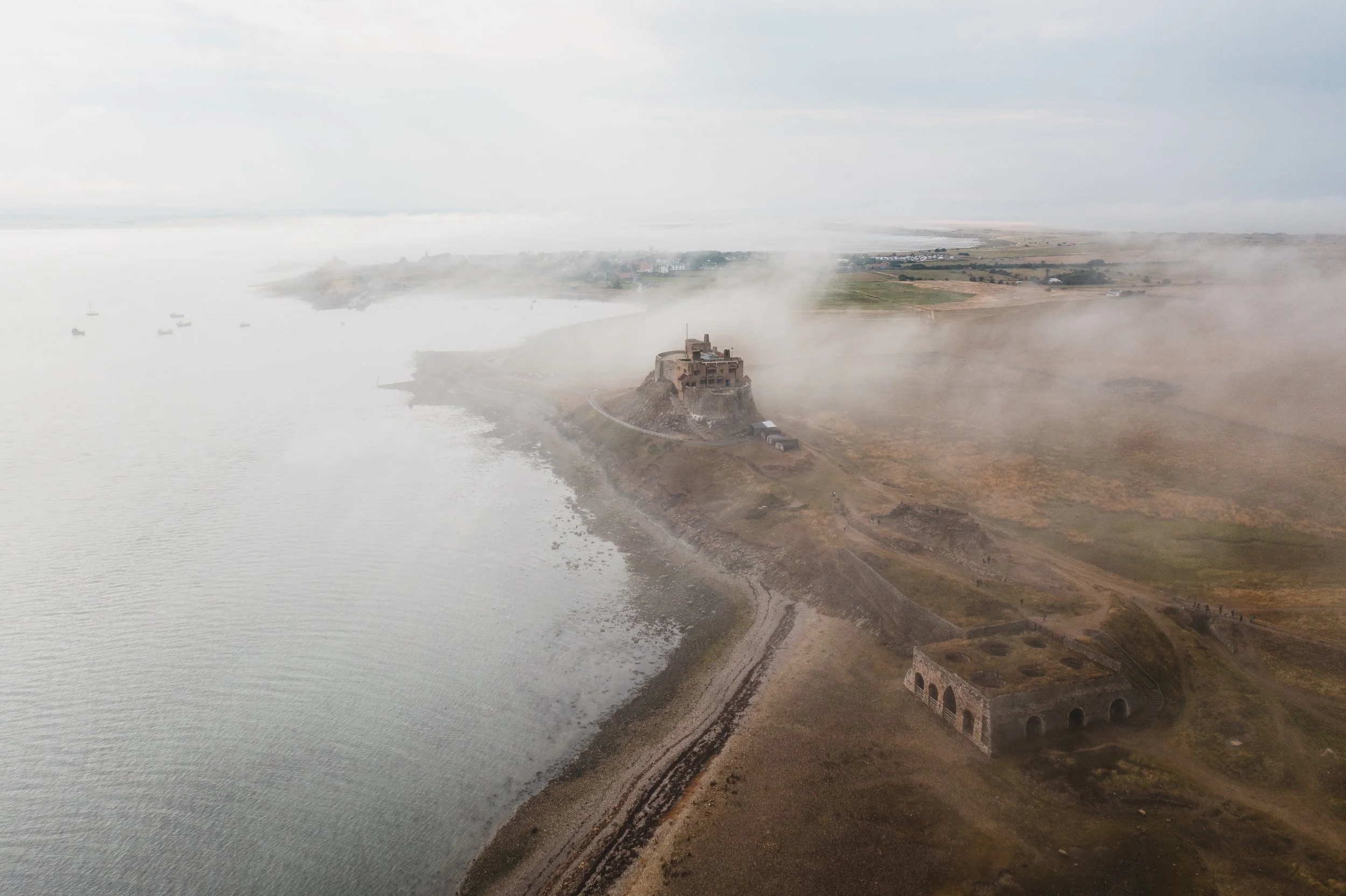
Before visiting, you must check the tide timetable for the Holy Island causeway — the crossing closes twice daily as the sea reclaims the road, and the island's isolation is very much part of its magic. The castle itself is unlike any other on this list. Though it looks every inch a perfect medieval fortress, Lindisfarne is actually a 20th-century restoration of a Tudor fort, transformed in 1903 by architect Edwin Lutyens into an intimate, romantic holiday home for Edward Hudson, the founder of Country Life magazine. Outside the castle walls, a small walled garden designed by Gertrude Jekyll blooms in summer against the wild coastal backdrop. The island itself carries a deeper history still: St Cuthbert established a monastery here in the 7th century, which over time became a great centre of learning. It was here that the spectacular Lindisfarne Gospels were created.
On the Northumberland 250: Holy Island sits just off the main coastal route. It requires a detour, but it is one that nobody who makes it ever regrets.
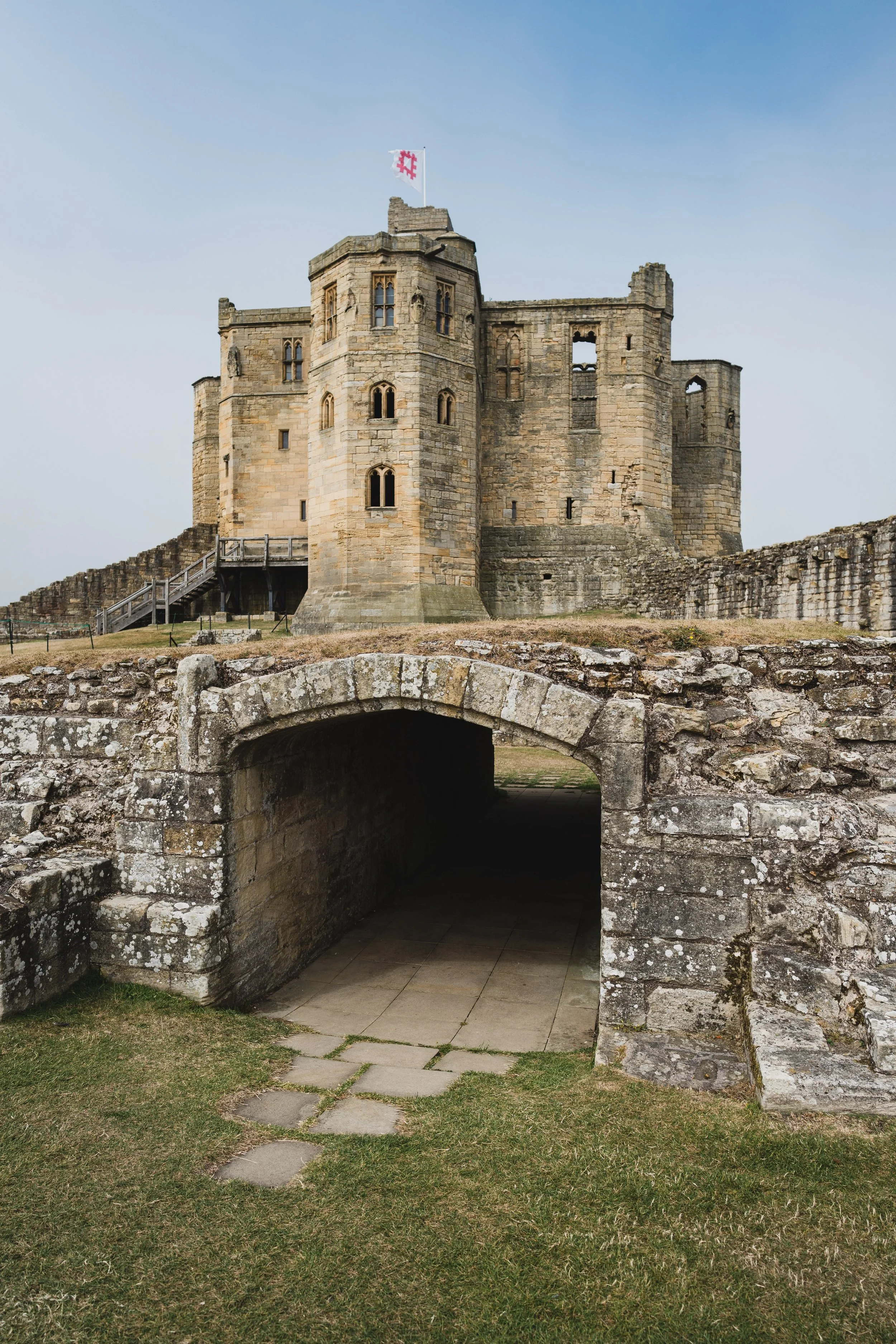
Warkworth Castle
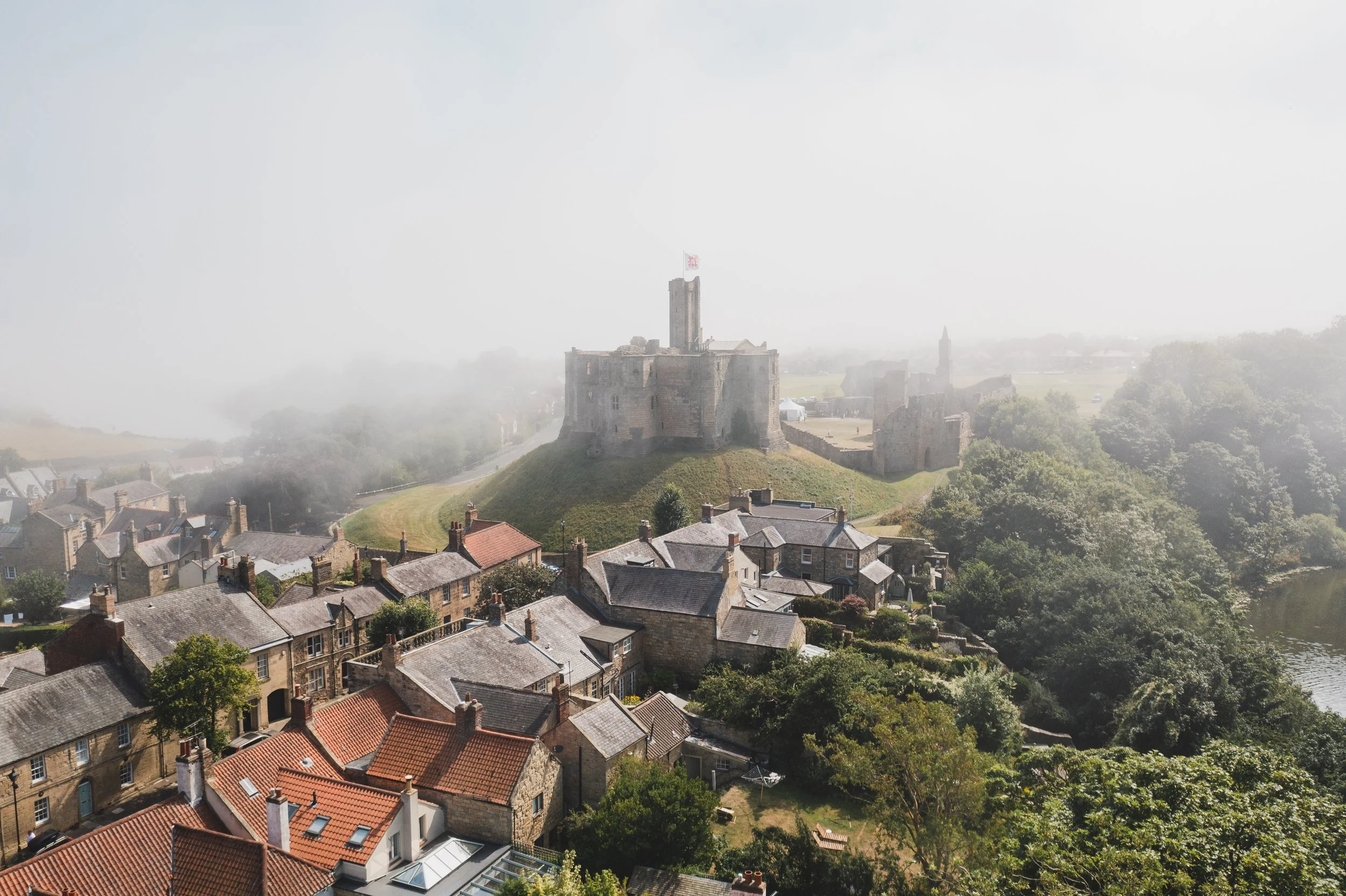
Warkworth is the Percy family's hidden masterpiece. While Alnwick Castle boasted greater prestige, Warkworth was the Percy family's favourite residence and the setting for the real-life conspiracy by the 1st Earl of Northumberland and his son Harry Hotspur to depose Henry IV. The castle was sufficiently celebrated that Shakespeare used it as the setting for several scenes of his Henry IV plays. Its great cross-shaped keep is a masterpiece of medieval architecture, and the castle's position — crowning a hilltop above a sweeping loop of the River Coquet — is one of the most satisfying in Northumberland. Don't miss the Hermitage, a medieval chapel carved directly into the cliff rock on the banks of the river, accessible only by boat — one of the most unusual and atmospheric medieval monuments in Britain. Managed by English Heritage, the castle is open daily from late March to November.
On the Northumberland 250: Warkworth sits on the southern coastal leg of the route and makes a perfect first or final stop, with the castle visible from the road as you approach the town.
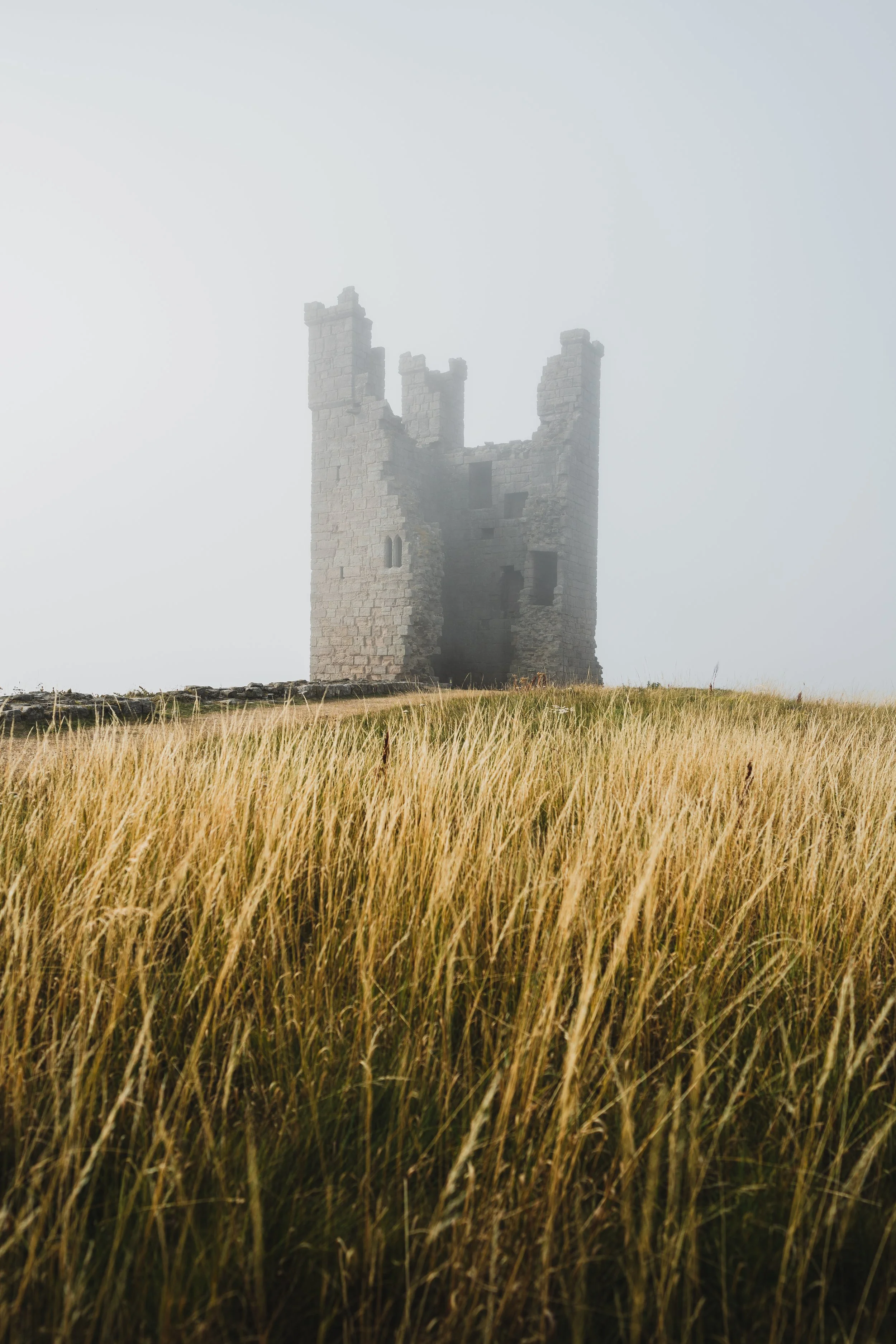
Dunstanburgh Castle
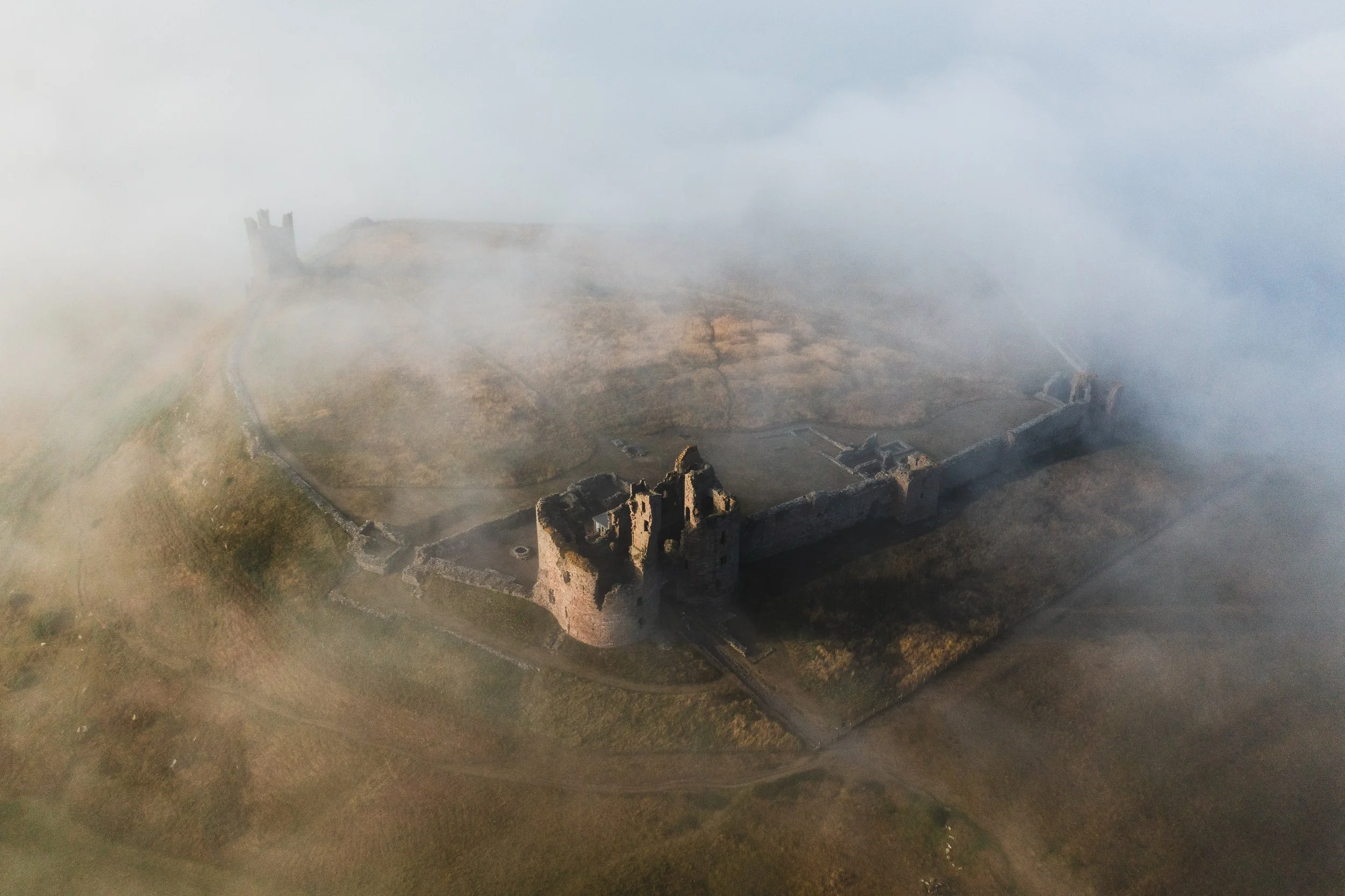
Few ruins in England carry such raw, elemental drama as Dunstanburgh. One of the most dramatically situated castles in northern England, with almost sheer cliffs on the seaward side and crumbling, ruinous towers creating ragged silhouettes on the skyline, it is a place that has inspired artists for centuries — most notably J.M.W. Turner, who painted the castle repeatedly, focusing on its isolated grandeur and the wild waves crashing around its ruins. It was built in 1313 by Thomas, Earl of Lancaster — one of the richest and most powerful lords in England, second only to the king — as a statement of baronial power and a refuge from his royal cousin Edward II. Thomas never truly got to use it: he was captured and executed at Pontefract Castle in 1322 on his way to seek safety within its walls. The castle is also the largest in Northumberland by area, and its Great Gatehouse remains one of the most imposing structures of any medieval castle in England. Getting here is part of the experience — a 1.3-mile coastal walk from the village of Craster, with the ruins growing more dramatic with every step.
On the Northumberland 250: Park in Craster and walk to the castle — it's one of the finest short coastal walks in the country, with the bonus of some excellent crab sandwiches in the village before or after.
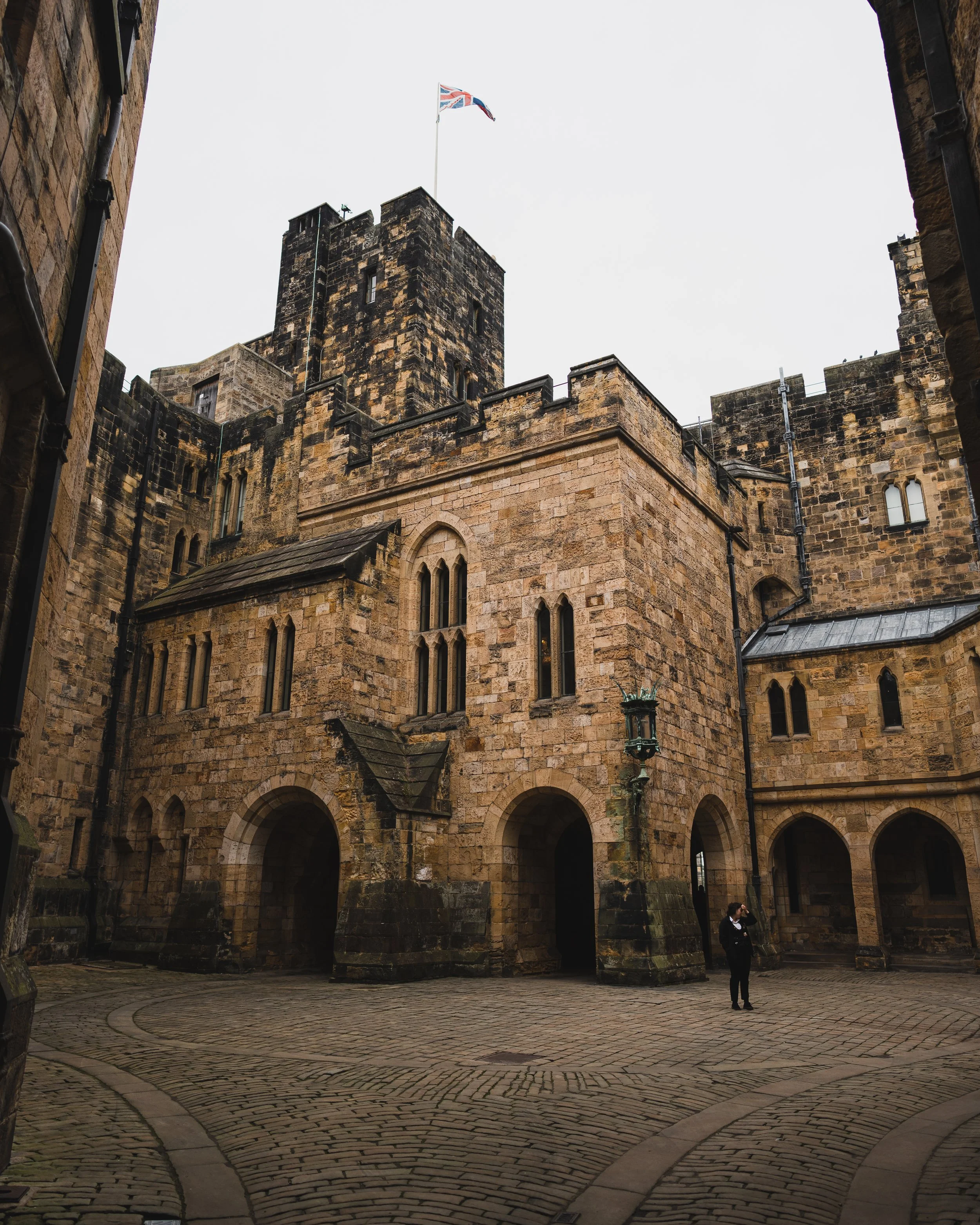
Alnwick Castle
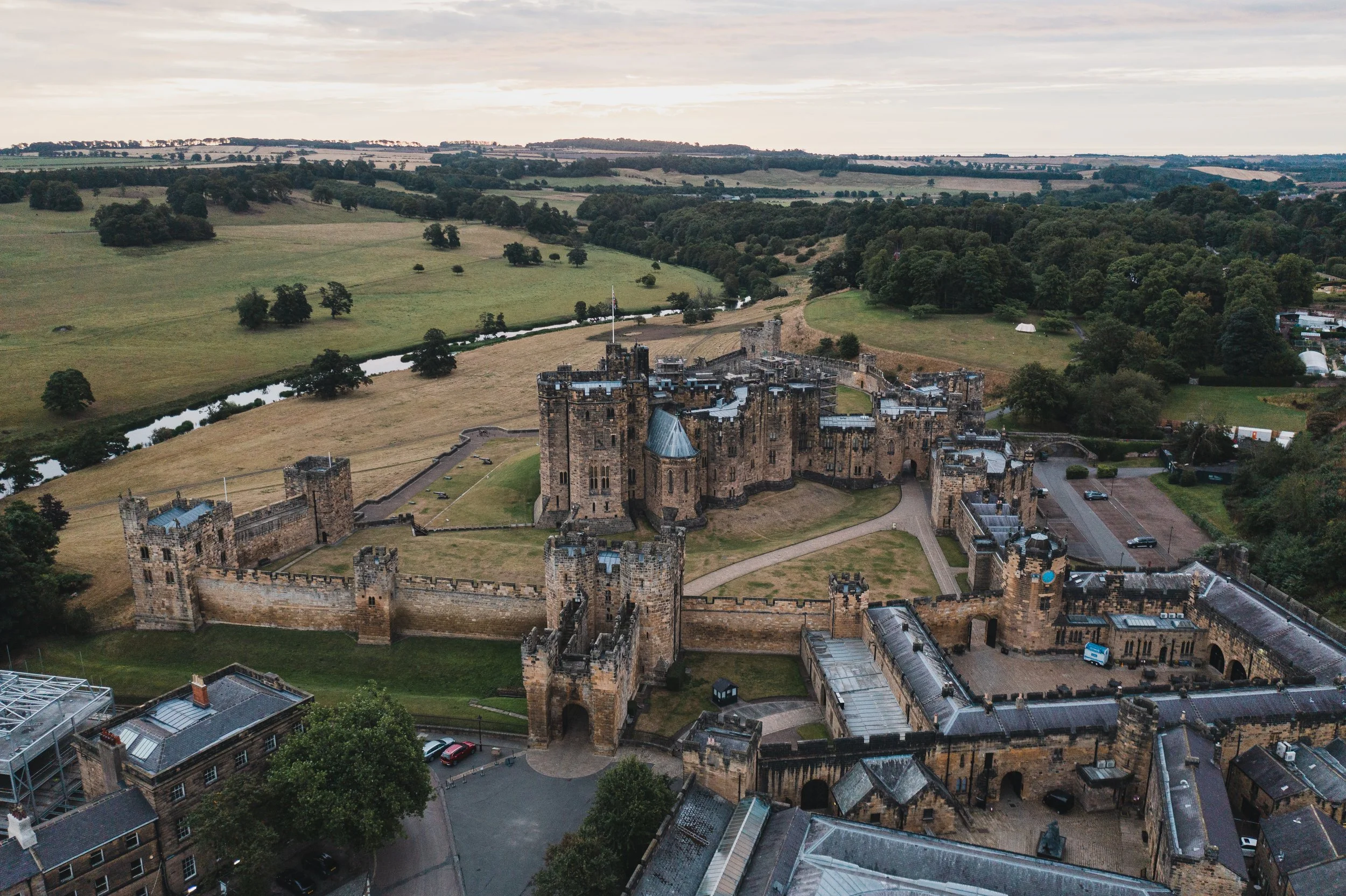
Alnwick has been the historic home of the Percy family for over 700 years — one of the most powerful, rebellious, and colourful dynasties in English history. From political clout and military achievement to scandalous romance and gunpowder plotting, the Percys have long been powerful yet rebellious players on the stage of England's history. Their most celebrated member, Harry 'Hotspur' Percy, was immortalised by Shakespeare and his statue still stands within the castle walls. The castle was given its grandly baronial appearance by architect Anthony Salvin in the 1850s, and its interior was sumptuously transformed in Italian Renaissance style, making the contrast between its brooding medieval exterior and palatial interior one of the great surprises in English architecture. Today, visitors can explore an impressive picture collection, chapel, and a series of museums — alongside ancient artefacts including frescoes from Pompeii and relics from Ancient Egypt, collected during the Percy family's archaeological exploits. Film fans will recognise it as the location of Hogwarts' first broomstick lesson in Harry Potter.
On the Northumberland 250: Alnwick is one of the route's unmissable stops, with the castle, the adjacent Alnwick Garden, and the town itself all worth hours of exploration.
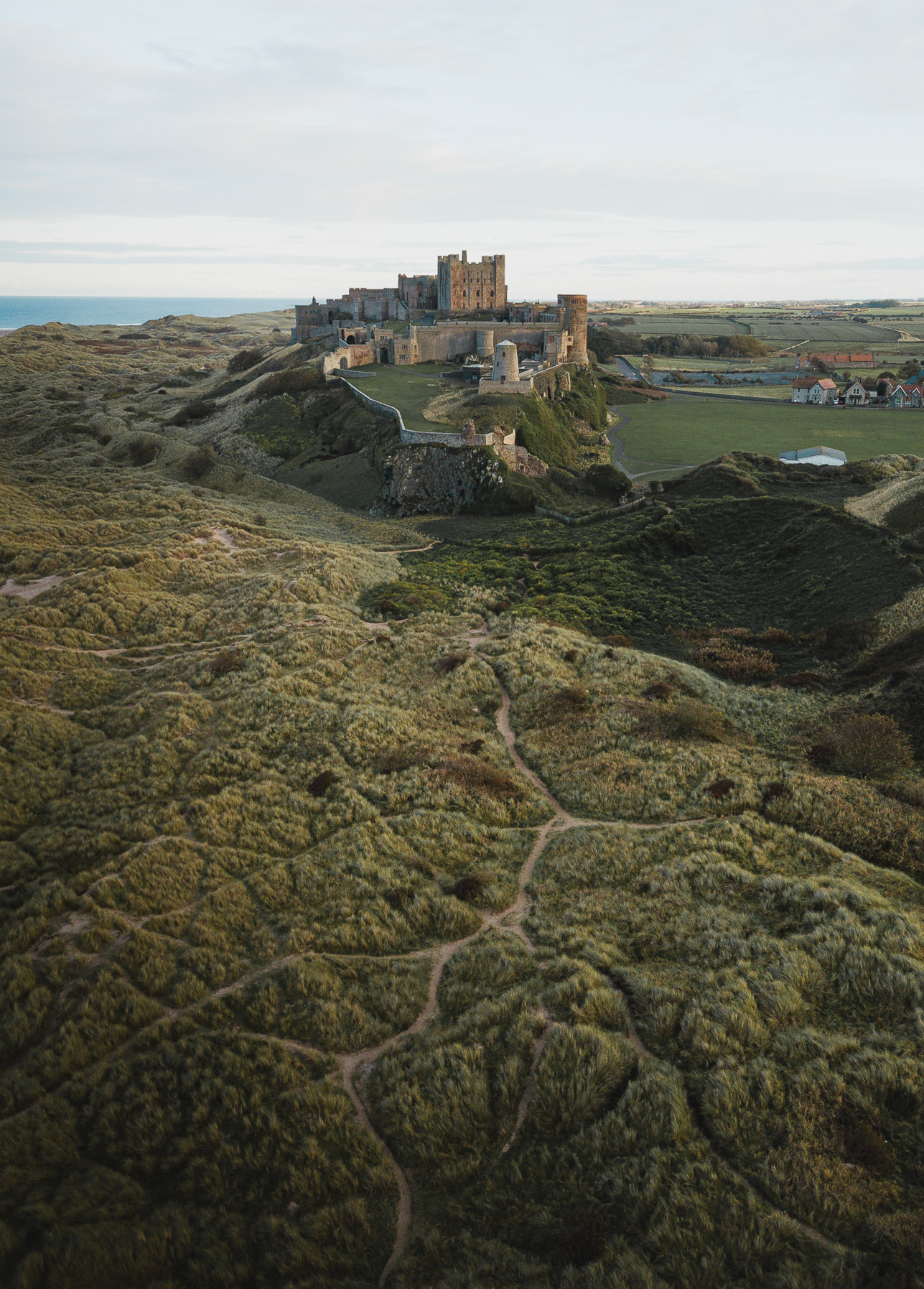
Bamburgh Castle
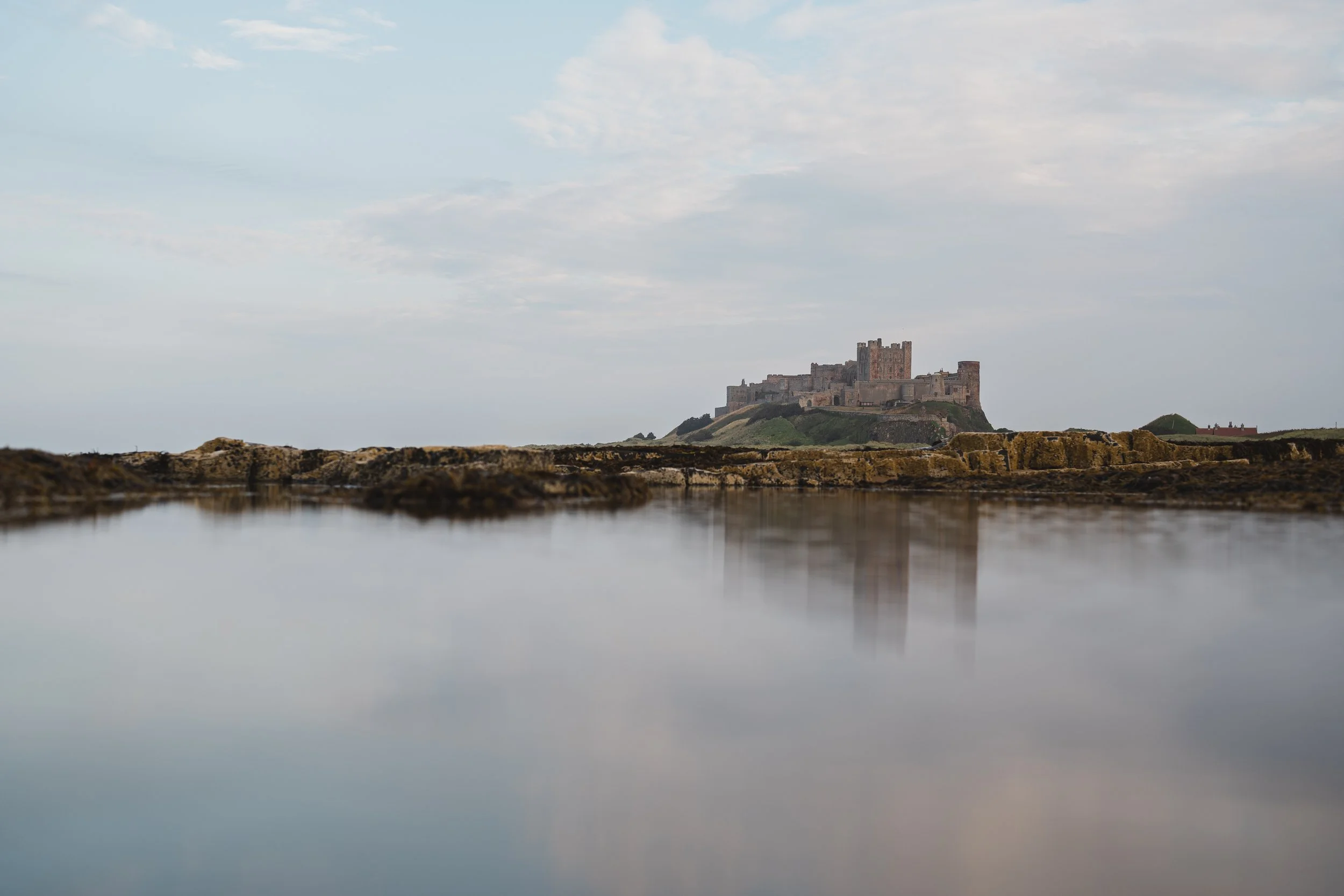
There is nowhere quite like Bamburgh. Rising 150 feet above the North Sea on a mighty basalt escarpment, it was chosen by the sixth-century kings of Northumbria as their royal capital — and it has commanded this coastline ever since. The first of the Anglo-Saxon kings of Bernicia, Ida the Flamebearer, laid the first timbers of a fortified stockade here, beginning a story that spans Vikings, Norman conquerors, and the Wars of the Roses. In 1464, Bamburgh became the first castle in the world to fall to gunpowder, a turning point in the history of medieval warfare. Inside, 14 state rooms are filled with artefacts spanning hundreds of years of history, a magnificent King's Hall with a Victorian hammer-beam ceiling, and an armoury of battle-scarred medieval weaponry. In literature, Bamburgh was identified as Sir Lancelot's castle, Joyous Gard, in the Arthurian tradition, and it serves as the home of Uhtred in Bernard Cornwell's The Saxon Stories. Open all year round, this is the castle by which all others are judged.
On the Northumberland 250: Bamburgh sits squarely on the coastal section of the route, with the castle visible for miles in every direction.