
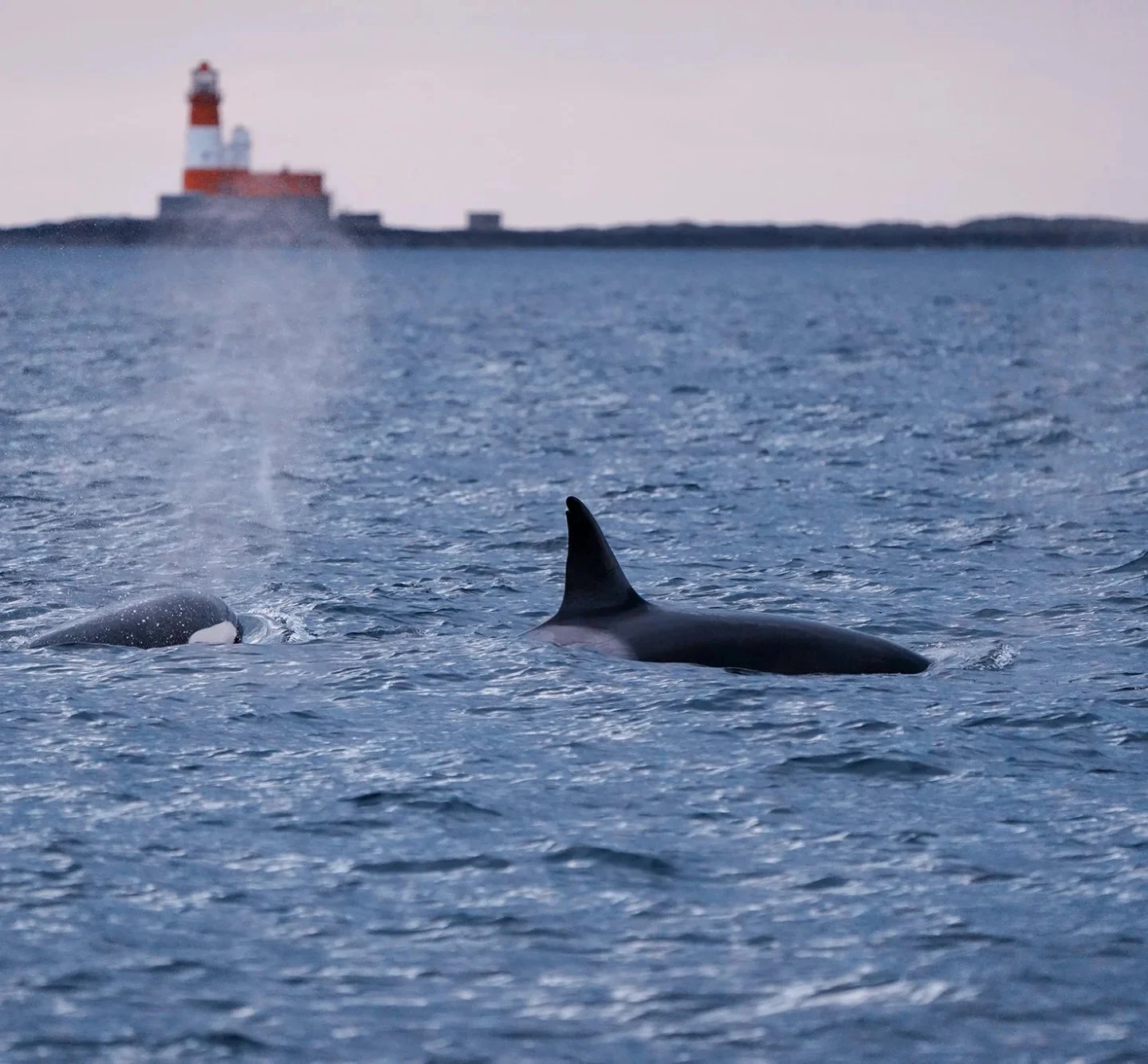
Photography by @davidfotoblog
After spring 2025's extraordinary sightings off the Farne Islands, coastal communities and wildlife enthusiasts are asking: will these magnificent marine predators grace our waters again?
The Unforgettable Spring of 2025
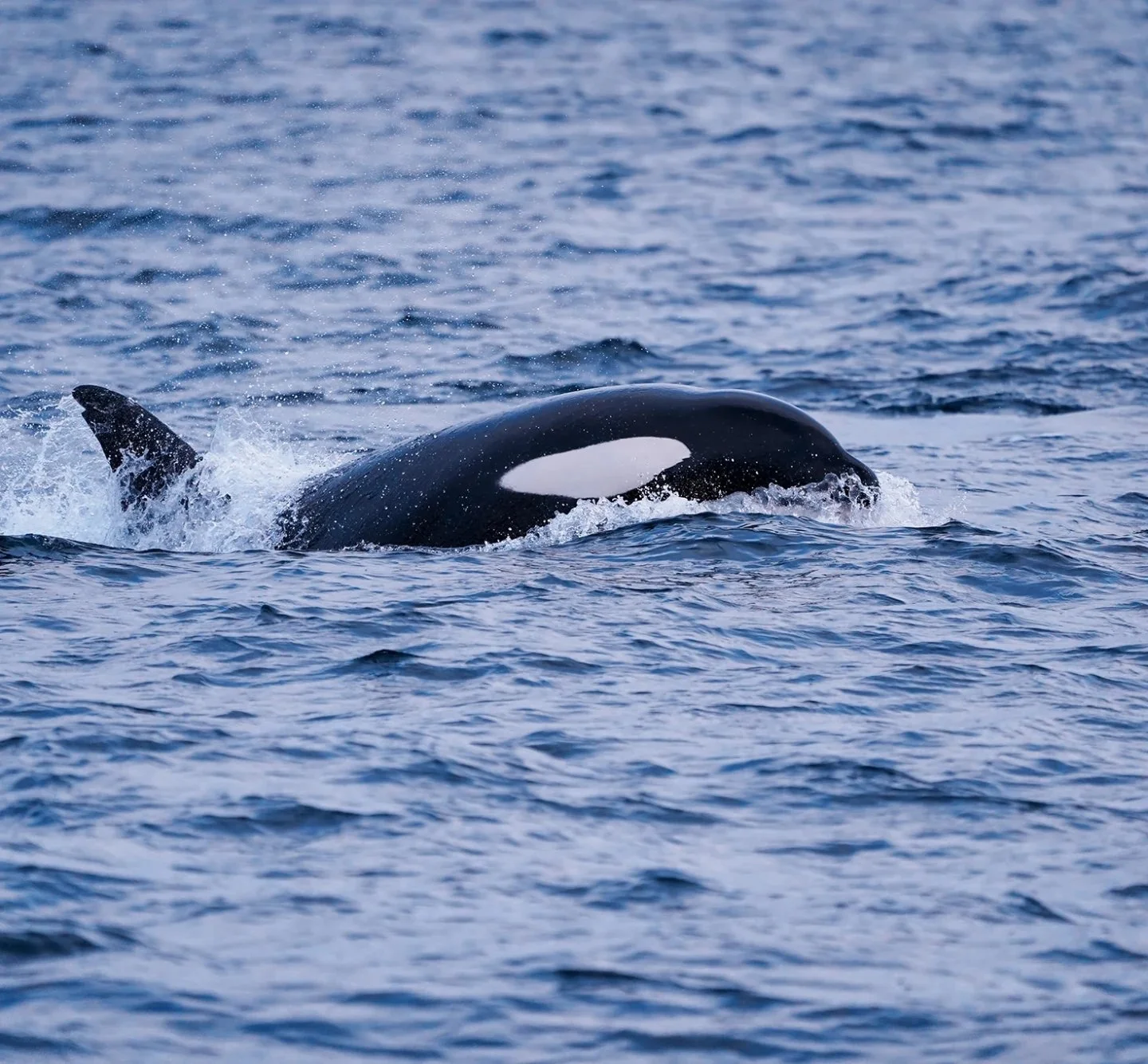
Spring 2025 delivered one of the most remarkable wildlife spectacles in Northumberland's recent history. Between late April and early May, a pod of 6–8 orcas, including four young calves, spent several days hunting grey seals in the waters off the Northumberland coast, particularly around the Farne Islands and Beadnell.
For locals and visitors fortunate enough to witness these apex predators in action, it was an experience of a lifetime. The pod didn't just pass through, they stayed, they hunted, and put on an extraordinary display of cooperative hunting behaviour that captivated everyone who saw them.
The first confirmed sighting occurred on April 29, 2025, when the distinctive black and white forms of orcas were spotted breaking the surface near the Farne Islands. But this was just the beginning.
Over the following weeks, the pod became regular visitors to Northumberland's coastal waters. What made these sightings truly exceptional was not just their frequency, but the remarkable behaviours witnessed by boat operators, fishermen, and coastal observers.
Teaching the Next Generation
Perhaps the most thrilling aspect of the 2025 sightings was watching adult orcas teach their four calves how to hunt. Witnesses reported seeing adults catching grey seals and tossing them in the air—a teaching technique that demonstrates the sophisticated social structures and learned behaviors that make orcas among the ocean's most intelligent predators.
This intergenerational knowledge transfer is crucial for young orcas, who must learn complex hunting techniques that vary between different orca populations. The fact that this was happening in Northumberland's waters made it all the more special.
Close Encounters and Viral Moments
Local boat tour operators, including Billy Shiel Boat Tours and Serenity Farne Islands Boat Tours operating out of Seahouses, captured incredible footage of the pod. These videos quickly went viral on social media, putting Northumberland's marine wildlife firmly in the spotlight and drawing visitors from across the UK hoping to catch a glimpse of these magnificent creatures.
Why Did Orca Choose Northumberland?
Marine biologists believe the pod originated from the waters around Orkney and Shetland in Scotland's Northern Isles, where orca populations are more regularly observed. So what brought them over 200 miles south to Northumberland?
The answer lies beneath the waves: the Farne Islands' abundant grey seal population. The Farnes are home to one of England's largest grey seal colonies, with thousands of seals breeding and hauling out on the islands throughout the year. For a family of hungry orcas, particularly those with growing calves to feed, this represents an irresistible buffet.
Understanding Orca Movements
While orcas are occasionally spotted in British waters, sustained sightings this far south along England's northeast coast are highly unusual. Orcas are highly mobile predators that follow food sources across vast oceanic distances. They don't adhere to fixed migration routes like some whale species, making their movements difficult to predict.
Different orca populations also have different dietary preferences and hunting territories. The pod that visited Northumberland in 2025 likely belongs to a group known for hunting marine mammals, particularly seals, rather than fish.
Will They Return in 2026?
This is the question everyone wants answered, but the honest truth is: nobody knows for certain.
Orcas are intelligent, adaptable predators that follow complex behavioral patterns. If the 2025 hunting expedition to Northumberland proved successful—and all evidence suggests it did—there's a possibility the pod could return. Young orcas learn not just hunting techniques from their mothers, but also where to find food. If the calves remember Northumberland's waters as a productive hunting ground, they may return as they mature.
Factors That Could Influence a Return
Several factors could influence whether we see orcas off the Northumberland coast again:
Seal Population: The abundance of grey seals around the Farne Islands remains the primary draw. As long as this seal colony thrives, the area remains attractive to hunting orcas.
Food Availability Elsewhere: If prey is abundant in their usual hunting grounds around Scotland, there may be less incentive to travel south.
Pod Dynamics: Changes within the pod—new calves, aging members, or social restructuring—could influence their ranging behavior.
Environmental Conditions: Ocean temperatures, prey distributions, and other environmental factors all play a role in marine mammal movements.
Where and When to Look
If you're hoping to spot orcas in Northumberland waters this year, here's what you need to know:
Best Viewing Locations
Farne Islands Boat Trips: Boat tours departing from Seahouses offer the best chance of encountering orcas if they return. Operators like Billy Shiel Boat Tours and Serenity Farne Islands Boat Tours run regular trips to the Farne Islands, and their experienced skippers know these waters intimately.
Beadnell Coast: The coastline around Beadnell provided excellent vantage points during the 2025 sightings. Coastal walking routes along the Northumberland250 offer stunning sea views where sharp-eyed observers might spot activity offshore.
Coastal Viewpoints: High points along the Northumberland coast, particularly those overlooking the Farne Islands, can offer good observation opportunities on clear days.
Timing
Based on the 2025 sightings, late April through early May would be the prime window to watch for orcas. However, marine mammals don't operate on strict schedules, so keeping watch throughout spring and early summer is advisable.
What to Bring
If you're planning to watch for orcas:
Binoculars or a spotting scope for scanning distant waters
A camera with a good zoom lens
Warm, waterproof clothing (Northumberland's coast can be chilly even in spring)
Patience—marine wildlife watching requires time and luck
The Wider Picture: Northumberland's Marine Wildlife
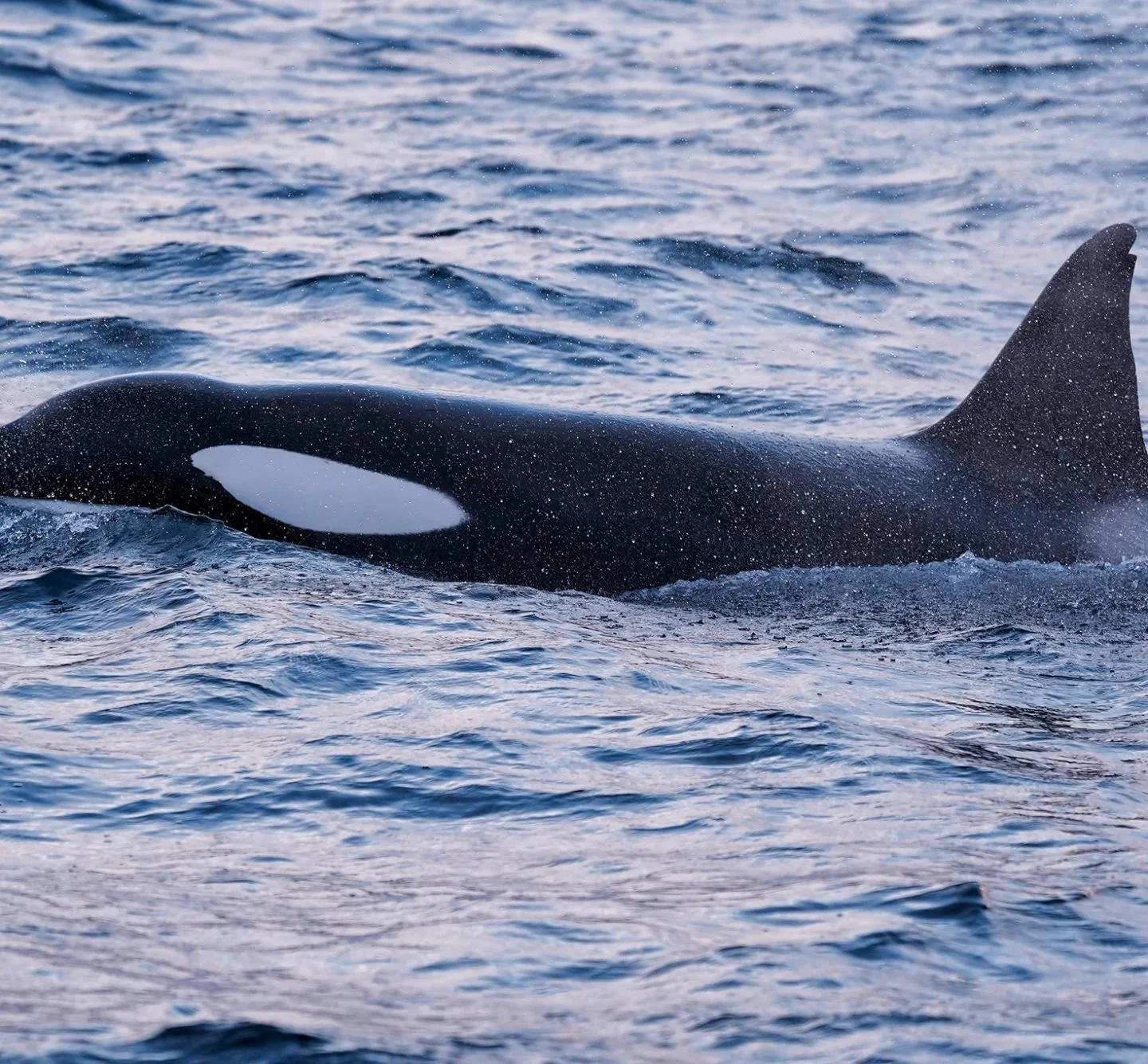
While orcas grab headlines, Northumberland's coastal waters are home to remarkable marine biodiversity year-round. The Northumberland250 coastal route offers access to some of England's most pristine marine environments.
What Else You Might See
Grey Seals: Guaranteed sightings around the Farne Islands, with thousands of seals hauling out on the rocks and beaches.
Harbour Seals: Smaller than grey seals, these can be spotted in harbors and sheltered bays.
Dolphins: Bottlenose dolphins and occasionally other dolphin species visit Northumberland waters, particularly during summer months.
Porpoises: Harbour porpoises are regularly seen close to shore, though their small size and brief surfacing makes them easy to miss.
Minke Whales: These baleen whales occasionally appear off the Northumberland coast, typically in summer.
Seabirds: The Farne Islands host internationally important seabird colonies, including puffins, guillemots, razorbills, terns, and kittiwakes.
Responsible Wildlife Watching
If orcas do return to Northumberland, it's crucial that we observe them responsibly:
Maintain a respectful distance—never approach or attempt to touch marine wildlife
If in a boat, follow Marine Code guidelines for wildlife watching
Never feed marine mammals or attempt to interact with them
Keep noise levels down and movements calm
Report sightings to local marine conservation groups
Choose reputable boat operators who follow responsible wildlife watching practices
Staying Informed
Want to stay up-to-date on orca sightings and other marine wildlife news in Northumberland?
Follow local boat tour operators on social media—they're often first to report sightings
Check the Northumberland250 website and instagram for wildlife updates and coastal news
Connect with local wildlife watching groups and marine conservation organizations
Download marine wildlife sighting apps that allow you to report and track observations
Beyond Orca: Exploring the Northumberland250
Whether or not orcas make a return appearance in 2026, Northumberland's coast offers unforgettable experiences year-round. The Northumberland250 coastal route takes you through some of England's most spectacular scenery, from rugged cliffs and sandy beaches to historic castles and charming fishing villages.
Spring is a particularly magical time to visit. Seabird colonies return to the Farne Islands in their thousands, grey seals can be observed with their pups, wildflowers carpet the coastal grasslands, and the region's famous castles—Bamburgh, Dunstanburgh, and Lindisfarne—look their most dramatic against spring skies.
The Bottom Line
Will orcas return to Northumberland waters in 2026? The honest answer is that it's impossible to predict. These are wild animals following their own imperatives, driven by the need to feed their families and teach their young.
What we can say with certainty is that if conditions are right, if the seal population remains strong, if the pod remembers last year's successful hunting, there's always a chance. And that possibility, that sense of anticipation as we scan the spring seas, is part of what makes wildlife watching so thrilling.
Whether you're a local resident keeping watch from the shore or a visitor planning a trip to Northumberland this spring, keep your eyes on the water. You might just witness one of nature's most magnificent spectacles.
And even if the orcas don't appear, Northumberland's coastal waters offer so much more: seals basking on rocks, dolphins playing in the waves, seabirds wheeling overhead, and some of the most beautiful coastline in Britain.
Spring 2026 awaits. Will it bring another orca encounter? We'll all be watching to find out.